Average Puncture Repair Cost UK London
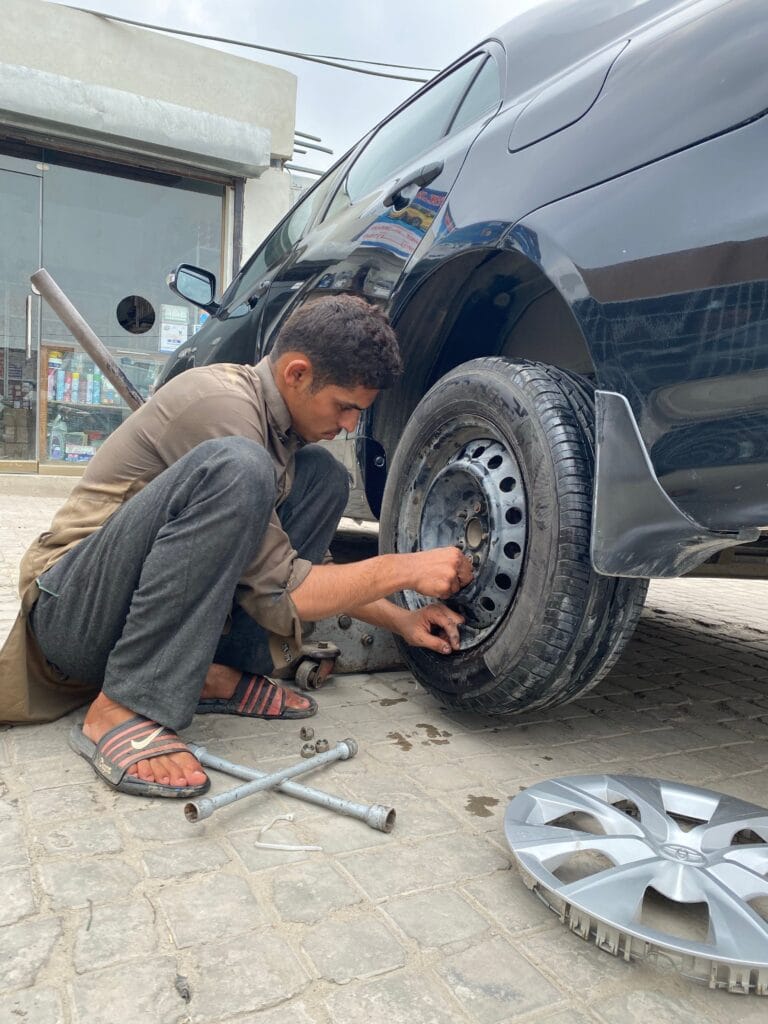
Discovering a sharp nail or a screw embedded in your tyre tread is an incredibly frustrating experience for any motorist. If you are currently dealing with a deflated tyre on your driveway or are stranded by the roadside, your primary concern is likely finding a reliable average puncture repair cost uk London specialist to fix the issue quickly and safely. Driving across the busy, pothole-heavy streets of Greater London means tyre damage is a common occurrence. However, before you pull into the nearest garage, it helps to understand what you should expect to pay for a standard fix.
The cost of fixing a flat tyre is not just a random number. It depends significantly on your geographic location, the type of vehicle you drive, and whether you take the car to a garage or call out a mobile van. In this comprehensive guide, we will break down the true average costs of fixing a flat tyre in London versus the rest of the country, examine the safety standards used by professionals, and help you determine whether your tyre can be saved or if it requires a complete replacement.
What is the Average Puncture Repair Cost in London vs the UK?
Pricing for automotive services varies across the country, with London and the South East invariably commanding premium rates due to higher operational overheads.
- Standard Local Garages and High-Street Chains
If you are able to safely drive your vehicle or transport your detached wheel to an independent local garage anywhere in the country, the standard national cost typically ranges from £20 to £35. National high-street fast-fit chains usually charge a fixed rate between £25 and £40.
In central and greater London, these base prices generally see a 30% to 40% markup. Therefore, walking into a garage in Mayfair or Croydon will likely result in a bill between £30 and £50 for the exact same mechanical service.
- Emergency Mobile Tyre Call-Out Services
If you cannot drive your car and require a mobile technician to come to your home, workplace, or a motorway shoulder, you will need to pay an additional call-out fee. A mobile puncture repair uk service operating within London generally charges between £45 and £80+.
This price includes the specialized technician’s travel time, the internal patch kit, a new standard valve, and computerized wheel balancing inside the mobile workshop van. After-hours, weekend, or midnight emergency call-outs can add an extra premium to the final invoice, but it saves you from expensive vehicle recovery towing charges.
The Core Technical Methods Used by Professionals
A proper, permanent fix involves much more than simply pushing a piece of sticky rubber into the hole from the outside. Professional workshops utilize two main techniques to restore the air-tight integrity of your tyre, depending on the severity of the damage:
[Outside-In Temporary Plug] <─── VS ───> [Inside-Out Permanent Patch/Plug combo]
The External Plug (Temporary Fix)
An external plug repair involves pushing a rubber strip coated with adhesive sealant directly into the puncture path from the outside without removing the tyre from the wheel rim. This method is fast, taking only about 10 to 15 minutes, and is highly economical, costing around £15 to £20. However, major UK tyre associations consider this a temporary or roadside emergency solution because the technician cannot inspect the internal structure for hidden safety damage.
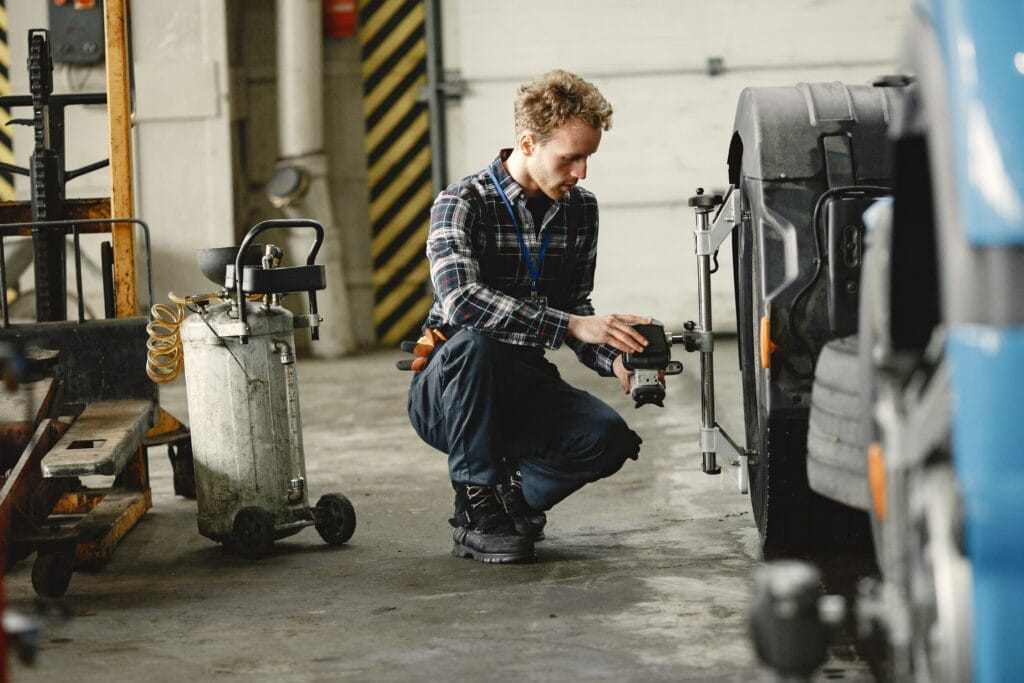
puncher repair
The Internal Combi-Plug Patch (Permanent Fix)
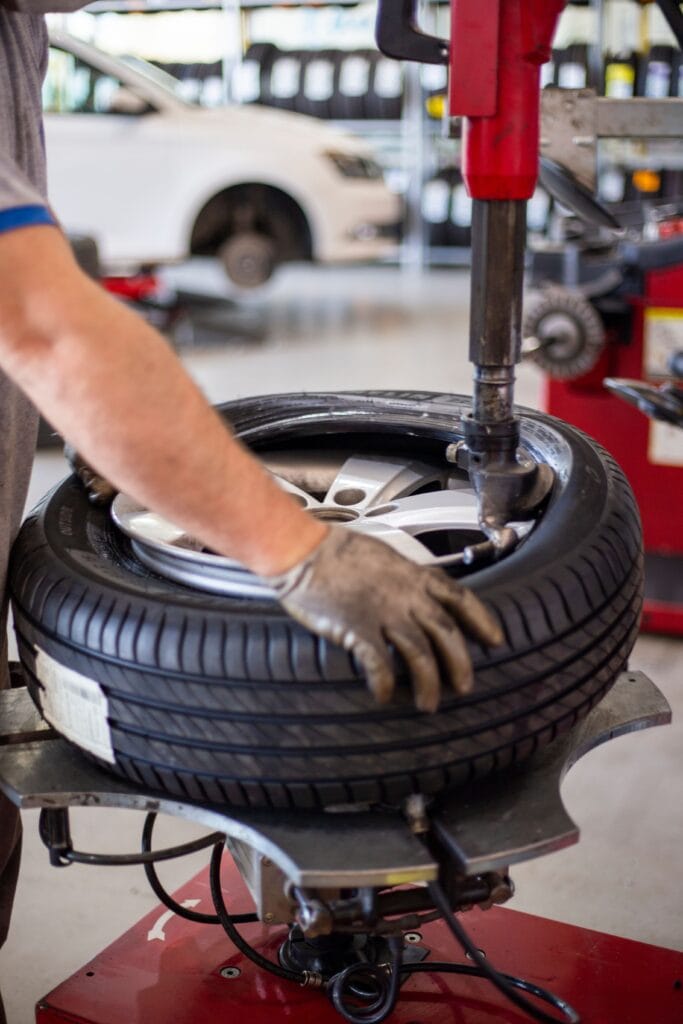
This is the gold-standard method utilized by reputable service providers across the country. The technician completely demounts the rubber from the metal alloy rim using an automated machine. They thoroughly inspect the interior lining for structural heat damage or exposed steel belts.
They then clean the area and pull a specialized rubber “mushroom” patch-plug combo through the hole from the inside out. This method seals the puncture track and bonds permanently with the inner liner. While it takes 30 to 45 minutes and costs between £25 and £45, it represents a highly secure fix that will last for the remaining legal life of the tread.
Can Your Tyre Be Repaired? Understanding BS AU 159 Regulations
In the United Kingdom, professional mechanics do not simply guess whether a tyre is safe to fix. They are strictly bound by the legal industry safety guidelines known as British Standard BS AU 159. These rigid regulations dictate precisely what can and cannot be worked on.
| Criteria / Feature | Safe to Repair (BS AU 159) | Must Be Completely Replaced |
| Puncture Location | Must be within the central ¾ of the tread (Minor Repair Area) | Located on the outer ¼ or side wall shoulder (Major Repair Area) |
| Damage Diameter | The entry hole must be 6mm or smaller in size | Splinters, cuts, or gashes larger than 6mm |
| Tread Condition | Legal tread depth remaining (Above 1.6mm) | Worn down past the legal 1.6mm limit |
| Internal Structure | Completely clean, intact, and free of inner lining dust | Visible exposed wires, internal wrinkling, or bead deformation |
If a local garage tells you that your flat tyre cannot be safely patched because the nail is too close to the outer edge or sidewall, they are looking out for your safety. A patch placed on a flexing sidewall will eventually fail catastrophically under highway driving conditions.
Special Vehicle Factors That Impact the Repair Bill
The complexity of your car’s layout can directly influence the labor hours required to perform a safe task.
- Run-Flat Tyre Limitations
Many modern premium car brands, such as BMW, Mercedes-Benz, and Mini, equip their models with reinforced run-flat technology. These tyres feature thick, stiff sidewalls that allow you to continue driving safely for up to 50 miles at limited speeds even after complete air loss.
However, because the heavy sidewalls hide structural internal degradation, the vast majority of manufacturers strictly forbid any standard puncture repair uk procedures on used run-flats. In almost every instance, a punctured run-flat tyre must be completely discarded and replaced with a new unit, which can cost anywhere from £120 to £250+.
- Modern Electric Vehicles (EVs)
Electric cars are significantly heavier than conventional petrol or diesel vehicles due to their large internal floor battery packs. They utilize specialized reinforced tyres designed to support massive axle loads while reducing cabin rolling noise.
Lifting an EV safely requires specialized rubber jack pads to prevent puncturing the under-floor battery cell casing. Furthermore, EV tyres often contain thick sound-absorbing acoustic foam layers glued inside the inner tread liner. A technician must carefully cut away a portion of this foam layer to access the bare rubber shell before applying a patch, which can add a minor labor premium to your final bill.
Key Signs You Need Immediate On-Site Inspection
As a driver, catching a puncture early can mean the difference between a cheap fix and an expensive wheel replacement. You should book an inspection if you notice:
- Continuous Low Pressure Warnings: If your TPMS (Tyre Pressure Monitoring System) light keeps illuminating on your dashboard every few days even after you pump up the air, there is a slow structural leak.
- Visible Sidewall Bulges: This indicates the inner structure of the tyre has split, allowing air to press against the outer rubber. This cannot be repaired and requires an instant change.
- Heavy Vibrations Through the Steering Wheel: If the car feels unstable or vibrates heavily at speeds above 40mph, it means the tyre structure has been warped by running flat or losing internal balance weights.