Tyre punctures are one of the most frustrating problems for drivers in Glasgow. Whether you are commuting through the busy City Centre, driving around the Glasgow East End, or heading home to the Southside, a sudden flat tyre can ruin your day and put you at risk on the road.
Understanding why punctures happen can help you reduce the chances of getting one. In this guide, we’ll look at the most common causes of tyre punctures in Glasgow – and practical ways to avoid them.
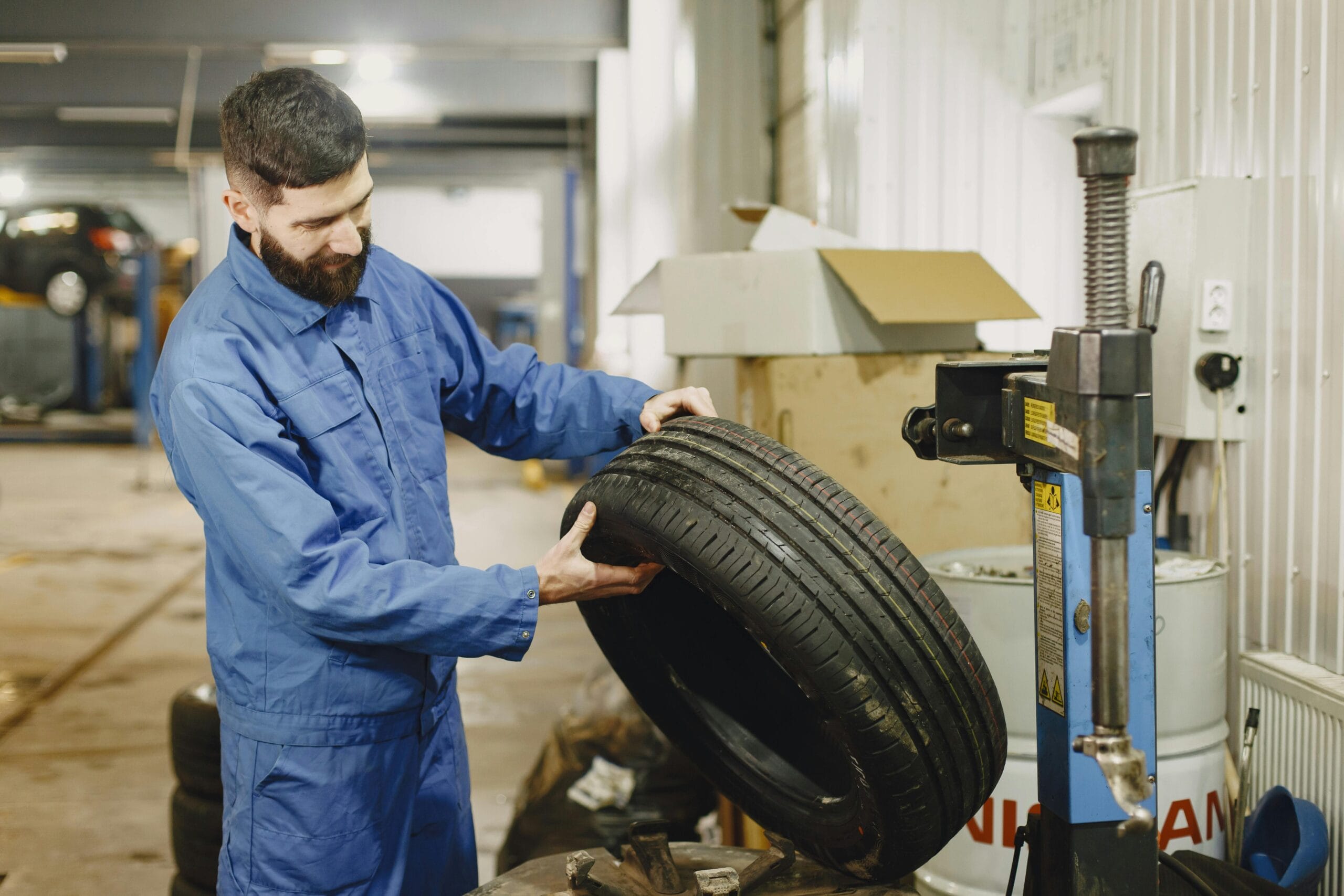
mobile tyre fitting birmingham
1. Potholes and Poor Road Surfaces
Many Glasgow roads, especially around older residential areas and busy routes, suffer from potholes and uneven surfaces. Hitting a deep pothole at speed can damage the tyre sidewall, cause a slow leak, or lead to an instant blowout.
How to avoid it:
Reduce speed on unfamiliar or poorly lit roads.
Keep a safe distance from the car in front so you can spot potholes earlier.
Avoid driving too close to the kerb where road damage is often worse.
Regularly driving on rough roads also wears tyres faster, so same-day tyre replacement or inspection may be needed sooner than you think.
2. Nails, Glass, and Road Debris
Construction work, industrial areas, and back streets can leave nails, screws, glass, and sharp metal on the road. These are a very common cause of punctures in Glasgow mobile tyre fitting call-outs.
How to avoid it:
Avoid driving through areas with visible building waste or broken glass.
Be careful near skips, worksites, and industrial estates.
Try not to drive over debris you can safely steer around.
If you hear a ticking sound from your tyre while driving, it could be something stuck in the tread. It’s better to get it checked before it develops into a full puncture.
3. Underinflated or Overloaded Tyres
Driving with underinflated tyres is one of the main causes of tyre failure. Soft tyres flex more, heat up faster, and are more likely to suffer a blowout, especially at higher speeds on routes like the M8 and M74.
Overloading the vehicle puts even more stress on the tyres and increases the risk of punctures and sidewall damage.
How to avoid it:
Check tyre pressure at least once a month and before long trips.
Use the recommended pressure found in your car’s manual or door frame sticker.
Avoid carrying unnecessary heavy loads in the boot.
Proper pressure not only reduces the risk of punctures but also improves fuel efficiency and handling.
4. Hitting Kerbs and Parking Damage
In busy areas such as Glasgow Southside or narrow streets in the Glasgow East End, it’s easy to clip the kerb while turning, parking, or squeezing past other vehicles. Repeated kerb impacts can weaken the tyre and rim, leading to slow leaks or sudden failure.
How to avoid it:
Take turns slowly and avoid tight turns at speed.
Use mirrors and parking sensors or cameras when available.
Park a little further out instead of squeezing into a very tight space.
If you hit a kerb hard, it’s a good idea to visually check the tyre and consider a professional inspection.
5. Worn or Aged Tyres
As tyres wear down, the rubber becomes thinner and more vulnerable to sharp objects and impact damage. Old tyres can also crack, especially in cold and wet Scottish weather, making punctures more likely.
How to avoid it:
Check tread depth regularly; replace tyres when they are close to the legal limit.
Look for cracks, bulges, or exposed cords.
Don’t delay a mobile tyre change if a technician advises replacement.
Sometimes, arranging same-day tyre replacement is cheaper and safer than dealing with repeated punctures.
6. Poor Quality Repairs
Not all puncture repairs are carried out properly. A temporary fix, plug from the outside, or DIY kit can fail later and leave you stranded. This is a common reason people search for mobile tyre repair near me after a previous repair gives up.
How to avoid it:
Use trusted technicians for puncture repairs.
Make sure repairs follow proper standards (from inside the tyre, not just a simple plug).
Replace tyres that are damaged near the sidewall or badly worn.
What to Do If You Get a Puncture in Glasgow
If you get a puncture while driving:
Pull over safely, away from traffic.
Turn on your hazard lights.
Do not drive on a completely flat tyre; this can damage the wheel.
In many cases, calling mobile tyre fitting Glasgow services is the safest option. A technician can come to your location, provide roadside tyre assistance, and either repair the tyre or fit a new one on the spot. This is especially useful at night when 24 hour mobile tyre fitting Glasgow support is available.
Whether you are in the city centre, Glasgow East End, or Glasgow Southside, a 24hr mobile tyre fitting Glasgow service can help you avoid towing and long waits at a garage.