Tyre Maintenance Tips Every Driver Should Know | TyreVortex Guide
Tyres are one of the most important safety features of your car because they are the only part that touches the road directly. Taking care of your tires properly not only makes your car handle and stop better, but it also makes the tires last longer and use less gas. Badly cared for tires can cause skidding, flat tires, blowouts, and even bad accidents.
In this guide, we’ll show you how to take care of your tires step by step so that you can stay safe and avoid spending money on tires that you don’t need.

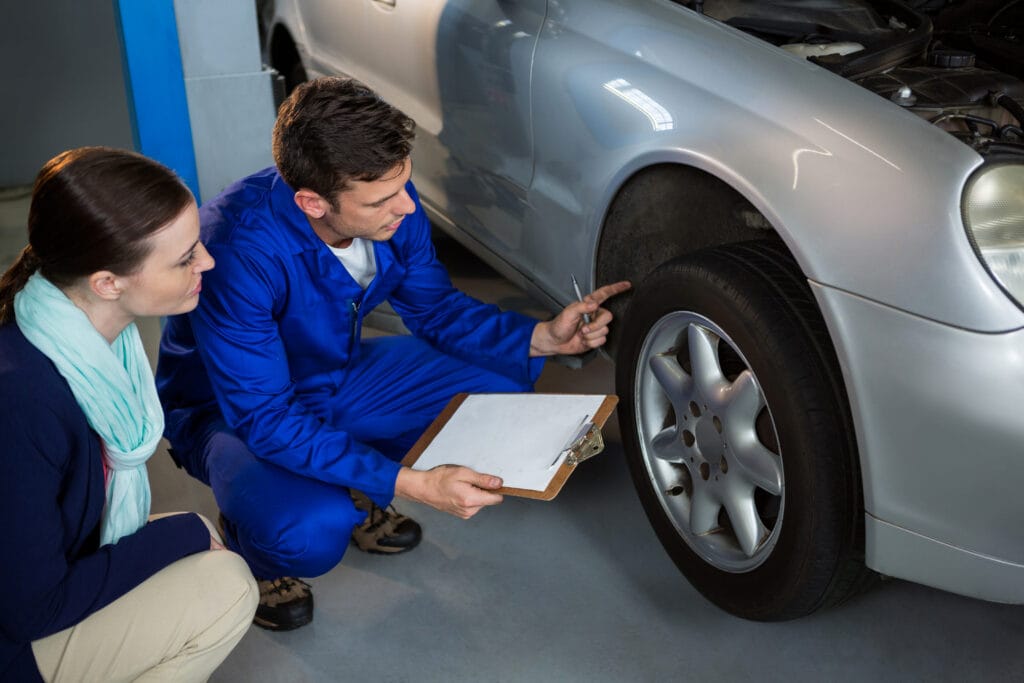
Mechanic changing tires in a car service
Step 1: Regularly check the pressure in your tyres.
The most important part of taking care of your tires is keeping the right amount of air in them.
Why the pressure in your tires is important:
Low pressure makes the edges of tires wear out too quickly, makes the car less fuel efficient, and makes it harder to steer.
High pressure makes less contact with the road, reduces grip, and makes it take longer to stop.
How to check the pressure in your tyres:
Wait until the car has been parked for a few hours before checking the tires.
- Get a good tyre pressure gauge
- Follow the manufacturer’s recommended PSI, which is usually on the door frame on the driver’s side.
- Check all of the tires, even the spare.
Tip: Before long trips and when the weather changes with the seasons, always check the pressure in your tires.
Step 2: Check the depth of the tyre tread.
Tread depth is very important for traction, stopping, and getting rid of water on wet roads.
Tread depth that is safe:
1. Minimum by law: 1.6 mm
- 3 mm or more is recommended for wet conditions.
How to check the tread:
- Look for grooves that are shallow or smooth.
- If your tread wears unevenly, it could mean that your alignment or suspension is off.
- Worn tread means that the tires don’t grip the road as well when it’s wet.
- Worn tires make it more likely that you will aquaplane and take longer to stop.
Step 3: Change the tyres on time
Tires don’t wear out evenly. Front tires wear out faster than back tires, especially on cars with front-wheel drive.
When to change tires:
- Every 8,000 to 10,000 kilometers
- When you get your car serviced or change the oil
Benefits of rotating tires:
- Even wear on all tires
- Better handling and stability
- Longer life for tires
- Less noise from the road
Always follow the correct rotation pattern based on your vehicle type.
Step 4: Aligning and Balancing the Wheels
Wheel alignment and balancing have a direct effect on how well you can steer and how long your tires will last.
When you need wheel alignment, you should see:
- The car pulls to one side.
- The steering wheel feels off-center.
- Tires that wear unevenly
Signs that your wheels aren’t balanced well include:
Uneven wear on the tread
You should always check the alignment and balance after hitting a pothole or putting on new tires.
Step 5: Do regular visual checks
A quick look at your tires can keep them from having big problems.
Things to look for:
- Cracks on the side walls
- Bulges or blisters (high chance of tire bursting)
- Nails, screws, or other sharp things
- Air leaks out of the valve
- Valve caps are missing.
If you see a bulge on the sidewall, you should replace the tire right away because it is not safe to fix it.
Step 6: Clean the tires
Over time, dirt, oil, and chemicals can make the rubber in tires weaker.
How to clean:
- Use water and mild soap to clean the tires.
- Stay away from tyre shine products that are made with petroleum
- Wash your tires well and let them dry on their own.
- Not only do clean tires look better, they also last longer.
Step 7: Get better at driving
How you drive has a big effect on how long your tires last.
- Don’t: Hard braking
- Sudden speed up
- Quick turns
- Going fast over potholes
- Putting too much weight in the vehicle
Adopt:
- Smoothly stop and start
- Safe speeds for turning
- Keeping a safe distance behind someone
- Good driving habits can make your tires last a lot longer.
Step 8: Get the tyre ready for the weather.
Changes in the weather affect how well tires work, especially when it rains.
Checklist for tyres during the rainy season:
- Tread depth must be at least 3 mm
- The right amount of air in the tires
- Correctly aligning the wheels
- Slowed down to avoid aquaplaning
Preparing for the seasons makes things safer and easier to control.
Step 9: Check the age of the tyre
Age is important, even if the tires look good.
How to find out how old a tyre is:
- Check the sidewall of the tire for the DOT number.
- For example, 1223 means that the tire was made in the 12th week of 2023.
- It is a good idea to check your tires carefully every 5 to 6 years.
- Most of the time, you should replace it after 7 to 10 years, depending on how much you use it.
Step 10: Remember the spare tyre
If you need a spare tire and it’s flat or broken, it’s not useful.
How to take care of your spare tyre:
- Check the pressure once a month.
- Check the condition often
- Make sure you have a jack and tools.
Questions That Are Frequently Asked
- How often should you check the pressure in your tires?
Once a week and before long trips would be best. Check the tires when they are cold.
- How deep should the tread be for the safest wet roads?
The legal minimum is 1.6 mm, but for better wet grip, 3 mm or more is better.
- What causes tires to wear unevenly?
Incorrect tire pressure, bad wheel alignment, or problems with the suspension are the most common causes of uneven wear.
- When should you change your tires?
Every 8,000 to 10,000 kilometers or when you get your car serviced.
- Is it safe to drive with a bulge in the sidewall of the tire?
No. A bulge means that the inside is damaged and the tire is likely to fail. It is best to replace it right away.
Need Professional Tyre Care?
Don’t take risks with worn or poorly maintained tyres. TyreVortex provides expert tyre inspections, replacements, and mobile tyre fitting at your location home, office, or roadside.
Book Mobile Tyre Service with TyreVortex
Get Emergency Tyre Help from TyreVortex