Most drivers ignore small tyre problems until something serious happens. A slight vibration, low pressure warning, or tiny bulge on the sidewall may not seem urgent at first. But on busy UK roads, these minor issues can turn dangerous within minutes.
Every year, thousands of roadside emergencies happen because of tyre-related problems. In many cases, the warning signs were already there — drivers simply didn’t recognise them early enough.
Modern tyres are designed to be durable and safe, but they still require regular attention. A damaged or weakened tyre can fail suddenly, especially during high-speed motorway driving, long-distance journeys, or hot weather conditions.
Understanding the warning signs early can help you avoid expensive repairs, dangerous blowouts, and serious accidents.
Why Tyre Problems Become Dangerous So Quickly
Tyres are the only part of your vehicle that directly touches the road. Even a small issue can affect:
- braking distance,
- steering control,
- fuel efficiency,
- and overall vehicle stability.
When a tyre is damaged, heat builds up rapidly while driving. This weakens the tyre structure even more. At motorway speeds, the pressure inside the tyre increases, making sudden failure much more likely.
What seems like a harmless issue in your driveway can become a serious safety risk just minutes later on the road.
The Most Common Dangerous Tyre Problem
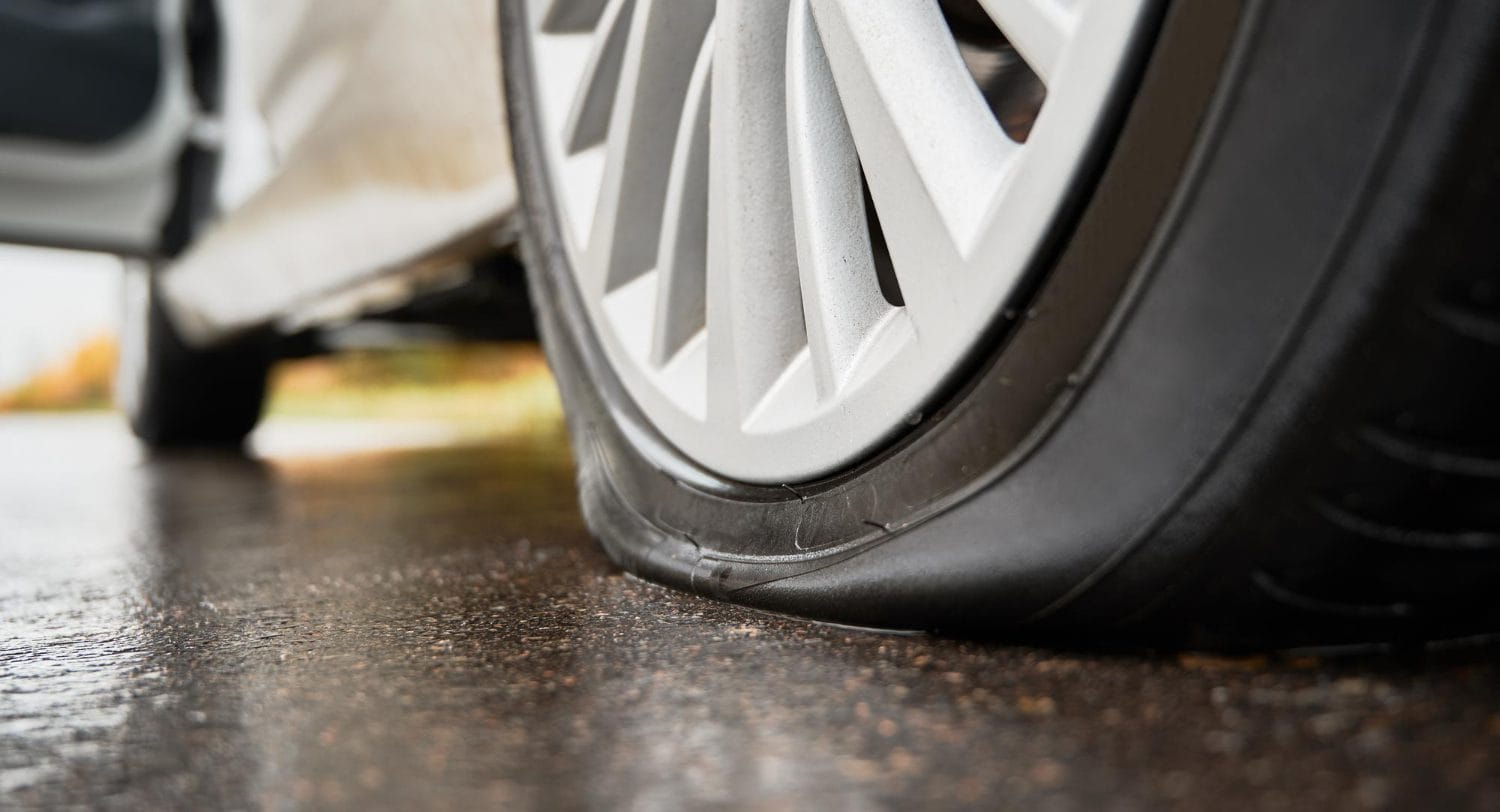
One of the most dangerous tyre problems is driving with low tyre pressure.
Many drivers continue driving even after noticing:
- a tyre pressure warning light,
- steering pulling to one side,
- or slightly soft tyres.
Low tyre pressure increases friction between the tyre and the road. This creates excessive heat inside the tyre, which can lead to:
- tyre separation,
- sidewall damage,
- rapid air loss,
- or a complete blowout.
In some situations, a tyre can fail within minutes of continued driving.
Warning Signs You Should Never Ignore
1. Your Car Pulls to One Side
If your vehicle suddenly drifts left or right while driving, it could indicate:
- uneven tyre pressure,
- wheel alignment issues,
- or tyre damage.
Many people assume this is a minor steering problem, but it can actually be an early warning sign of tyre failure.
2. Vibrations While Driving
Unusual vibrations through the steering wheel or seats often indicate:
- tyre imbalance,
- internal tyre damage,
- or uneven tread wear.
Persistent vibrations should never be ignored because they usually get worse over time.
3. A Bulge or Bubble on the Tyre
A sidewall bulge is one of the clearest signs that a tyre is unsafe.
This happens when the tyre’s internal structure becomes weakened after:
- hitting potholes,
- kerb impact,
- or road debris damage.
A bulging tyre can burst suddenly without warning.
4. Rapid Pressure Loss
If you frequently need to refill air in your tyres, there may be:
- a slow puncture,
- valve damage,
- or a hidden crack.
Even small air leaks can become dangerous during longer journeys.
5. Worn Tread
Tyre tread helps maintain grip, especially in wet weather.
Worn tyres:
- increase stopping distances,
- reduce traction,
- and increase the risk of skidding.
UK roads become particularly dangerous during rain when tyres lack proper tread depth.
How UK Roads Increase Tyre Damage
Many roads across the UK contain:
- potholes,
- uneven surfaces,
- sharp debris,
- and damaged road edges.
Potholes are one of the leading causes of:
- sidewall damage,
- wheel misalignment,
- and tyre punctures.
Even a single hard pothole impact can weaken the tyre internally without visible external damage.
Motorway driving also increases tyre stress because tyres generate more heat at higher speeds.
Why Hot Weather Makes Tyre Problems Worse
Many drivers associate tyre failures with winter conditions, but hot weather is equally dangerous.
During warmer temperatures:
- tyre pressure naturally increases,
- road surfaces become hotter,
- and weakened tyres become more vulnerable.
A tyre already damaged from potholes or underinflation may fail much faster during hot weather driving.
This is why tyre blowouts become more common during summer road trips and long motorway journeys.
The Danger of Ignoring a Slow Puncture
A slow puncture often feels harmless because the tyre doesn’t go flat immediately.
Drivers commonly delay repairs because:
- the tyre still “looks okay,”
- air loss seems minimal,
- or they simply keep reinflating it.
However, driving repeatedly on a slowly deflating tyre weakens the sidewall structure over time.
Eventually, the tyre may become impossible to repair safely.
What Happens During a Tyre Blowout
A tyre blowout occurs when the tyre suddenly loses air pressure while driving.
This can cause:
- loss of steering control,
- swerving,
- reduced braking ability,
- and vehicle instability.
Blowouts are especially dangerous on:
- motorways,
- high-speed roads,
- and during wet weather.
Drivers often panic during sudden tyre failure, which increases accident risk further.
How to Prevent Dangerous Tyre Problems
Check Tyre Pressure Regularly
Tyre pressure should be checked at least once every two weeks.
Correct tyre pressure:
- improves safety,
- increases tyre lifespan,
- and improves fuel efficiency.
Always follow the manufacturer’s recommended PSI levels.
Inspect Tyres Visually
Take a few minutes to inspect your tyres for:
- cracks,
- cuts,
- nails,
- bulges,
- or uneven wear.
Early detection can prevent serious roadside emergencies.
Avoid Hitting Kerbs and Potholes
Driving aggressively over potholes or mounting kerbs can weaken tyres internally.
Whenever possible:
- slow down near damaged roads,
- avoid sudden impacts,
- and maintain safe distances.
Replace Worn Tyres Early
Waiting too long to replace tyres increases safety risks significantly.
Even if tyres remain legally compliant, reduced tread depth still affects:
- wet-weather grip,
- braking,
- and handling performance.
Why Emergency Mobile Tyre Services Are Growing in the UK
More UK drivers now rely on mobile tyre fitting and roadside tyre assistance because tyre emergencies often happen unexpectedly.
Mobile tyre services help drivers who experience:
- sudden punctures,
- blowouts,
- flat tyres,
- or unsafe tyre damage.
Instead of waiting hours for towing, mobile technicians can often repair or replace tyres directly at:
- homes,
- workplaces,
- roadside locations,
- or motorway breakdown areas.
This has become especially popular in busy cities where drivers need fast solutions without visiting garages.
The Importance of Acting Quickly
Many serious tyre incidents begin with small warning signs.
Unfortunately, drivers often delay inspections because:
- the issue seems minor,
- they are busy,
- or the vehicle still feels drivable.
But tyre problems rarely improve on their own.
A quick inspection today can prevent:
- expensive repairs,
- dangerous roadside breakdowns,
- and potentially serious accidents later.
Final Thoughts
Tyres play a critical role in keeping drivers safe on UK roads. Even a small issue like low pressure, uneven wear, or a minor bulge can become dangerous much faster than most people realise.
Ignoring tyre warning signs increases the risk of:
- blowouts,
- loss of vehicle control,
- and costly roadside emergencies.
Regular tyre checks, proper maintenance, and quick action when problems appear can dramatically improve both safety and driving performance.
If you notice unusual tyre behaviour, it’s always safer to inspect the issue immediately rather than risk a dangerous failure later on. TYER VORTEX