Before driving to watch Man United vs Brentford, football fans should check tyre pressure, tread depth, sidewall damage, spare tyre condition, and warning lights. Match days often mean busy roads, stop-start traffic, late-night driving, and rushed journeys. A simple tyre check before leaving can help prevent punctures, blowouts, breakdowns, and unnecessary stress.
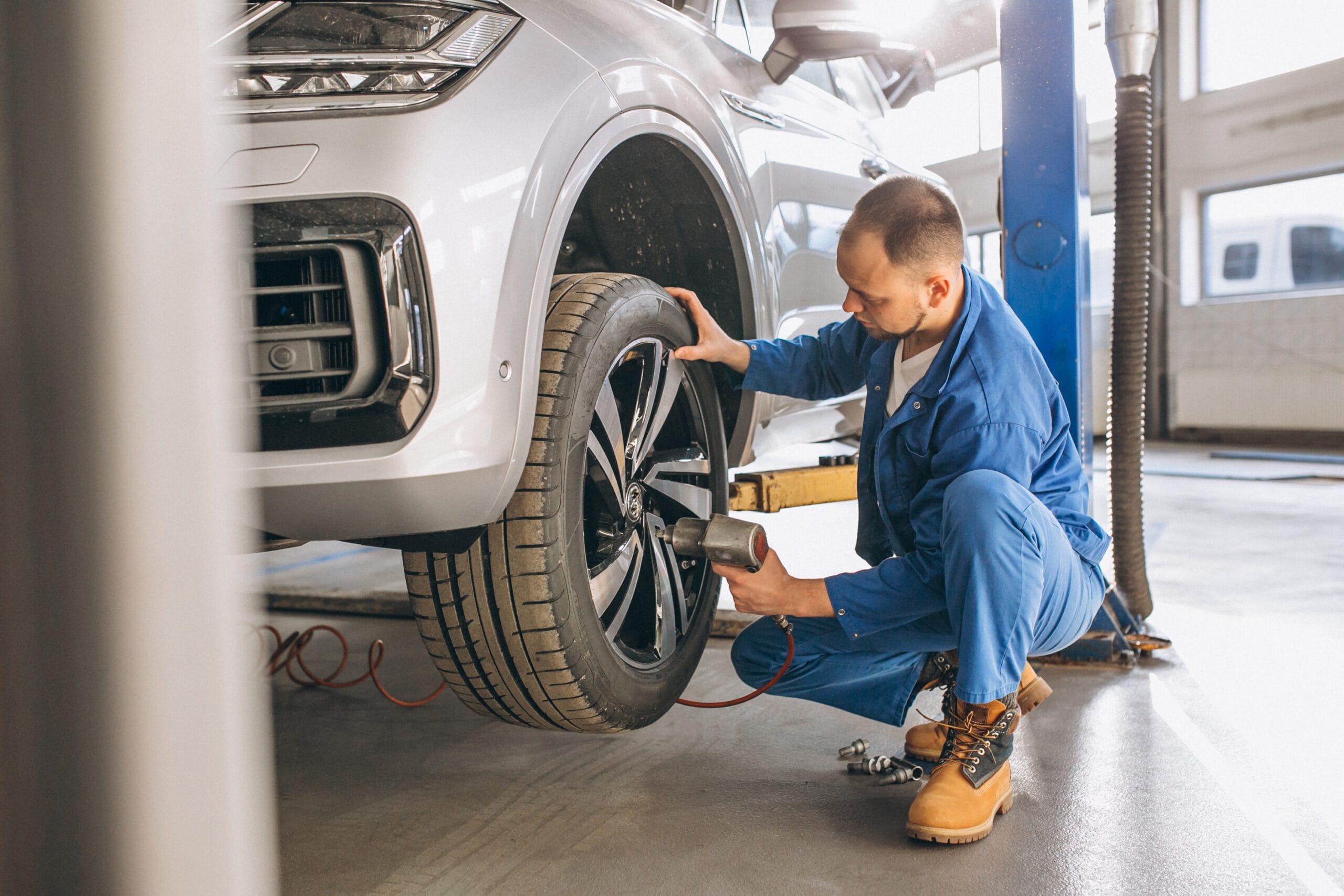
Auto mechanic checking car
Manchester United were listed to host Brentford at Old Trafford at 20:00 BST on Monday, 27 April 2026, according to the official Premier League fixtures page. That kind of evening kick-off is exactly when drivers should take extra care, especially if travelling after work, in traffic, or in wet UK conditions.
Why Match Day Driving Needs Extra Tyre Care
Football match days are exciting, but they can also be stressful for drivers. Whether you are travelling to the stadium, heading to a pub to watch the game, picking up friends, or driving home late after the final whistle, your car needs to be ready.
Big fixtures like Man United vs Brentford bring more cars onto the road. Drivers may face heavy traffic, sudden braking, tight parking spaces, wet roads, and long queues near stadiums or city centres. When roads are busy, your tyres work harder than usual. Poor tyre condition can reduce grip, increase stopping distance, and make your vehicle less stable.
At Tyre Vortex, we always remind drivers that tyre safety is not just for long motorway journeys. Even a short local drive can become risky if your tyres are underinflated, worn, cracked, or damaged. A five-minute check before setting off can save you from a ruined match day.
1. Check Your Tyre Tread Before You Leave
Tyre tread is one of the most important safety checks for UK drivers. Tread helps your tyres grip the road, especially in rain. Without enough tread, your car can take longer to stop and may struggle on wet surfaces.
In the UK, cars, light vans, and light trailers must have at least 1.6mm tread depth. The tread must be across the middle three-quarters of the tyre and around the full tyre circumference, according to GOV.UK vehicle safety guidance.
For football fans, this matters because match day traffic often includes sudden stops. A car in front may brake quickly near a roundabout, a pedestrian may cross unexpectedly, or traffic may slow near the stadium. If your tyres are worn, your car may not respond quickly enough.
A simple way to check your tread is the 20p test. Place a 20p coin into the main tread grooves. If you can see the outer band of the coin, your tread may be too low and should be checked by a professional. The RAC describes this as a quick and easy method for checking car tyre tread.
2. Look for Sidewall Damage
Before driving to watch Man United vs Brentford, walk around your car and look closely at each tyre. Pay attention to the sidewalls. These are the outer sides of the tyre that you can see when standing beside the vehicle.
Look for:
Cracks
Bulges
Cuts
Nails or sharp objects
Uneven wear
Flat-looking tyres
A bulge in the tyre wall is especially serious. It can mean internal damage, and the tyre may be unsafe to drive on. If you notice a bulge, do not ignore it just because the tyre still has air. It should be checked or replaced before the journey.
Match day driving often includes potholes, kerbside parking, and narrow roads. If your tyre has already been weakened, hitting a pothole or kerb could make the damage worse.
3. Check Tyre Pressure When the Tyres Are Cold
Tyre pressure affects grip, braking, fuel economy, and tyre life. If your tyres are underinflated, they can overheat and wear faster. If they are overinflated, they may not grip the road properly.
The best time to check tyre pressure is when the tyres are cold, before you start a long journey. You can find the correct pressure in your vehicle handbook, inside the fuel flap, or on the driver’s door frame.
Do not guess tyre pressure. Different cars need different pressure levels, and pressure can also change depending on passenger load. If you are travelling with friends to watch the match, your car may be heavier than usual. That means your tyres need to be in good condition and correctly inflated.
4. Do Not Ignore Dashboard Warning Lights
Many modern cars have a tyre pressure monitoring system. If the tyre warning light appears on your dashboard, do not continue driving as if nothing has happened.
The warning light may mean one tyre is losing air or pressure is uneven between tyres. This can happen slowly, especially if there is a small nail or screw in the tread. You might not notice the problem until the tyre becomes dangerously low.
If the warning light comes on before your Man United vs Brentford journey, stop safely and check the tyres. If you are unsure, call a professional mobile tyre fitting service like Tyre Vortex for help.
5. Be Careful With Potholes and Kerbs
UK roads can be rough, especially in winter and after heavy rain. Potholes are one of the biggest causes of tyre and wheel damage. On match day, drivers may be distracted by traffic, navigation apps, parking signs, or crowds.
Hitting a pothole can cause:
A puncture
Sidewall damage
Wheel alignment problems
A cracked alloy wheel
Slow air loss
Steering vibration
If you hit a pothole and your steering feels different, your car pulls to one side, or you hear a strange noise, pull over safely and inspect the tyre. Do not continue at speed if something feels wrong.
6. Prepare for Wet Weather Driving
Football fixtures often take place in unpredictable UK weather. Rain can make roads slippery, reduce visibility, and increase braking distance. Tyres with poor tread are much less effective in wet conditions.
Even if your tyres are legal, very low tread can still affect safety. Ask the Police notes that while the legal car tyre limit is 1.6mm, stopping distances can increase dramatically once tyres are below 3mm.
That is why many drivers choose to replace tyres before they reach the legal minimum. Waiting until the last moment may save money short term, but it can increase risk in wet weather.
7. Check Your Spare Tyre or Repair Kit
Many drivers forget about the spare tyre until they need it. Some modern cars do not even have a spare wheel. Instead, they come with a tyre repair kit or inflation kit.
Before heading out, check what your car has. If you have a spare tyre, make sure it has enough air and is safe to use. If you have a repair kit, check that it is still in date and that you understand how to use it.
A flat tyre after the match can be frustrating, especially late at night. Knowing what equipment you have can save time and panic.
8. Avoid Driving on a Slow Puncture
A slow puncture can be easy to ignore. You may notice one tyre looks slightly lower than the others, or you may need to refill it more often. Some drivers keep topping it up instead of fixing the problem.
That is risky.
A slow puncture can become a sudden flat tyre, especially on busy roads or at higher speeds. If you suspect a slow puncture before your football journey, get it checked. A nail, screw, valve issue, or rim leak may be the cause.
Tyre Vortex can help drivers with puncture checks, tyre replacement, and mobile tyre fitting, so you do not have to risk driving on unsafe rubber.
9. Plan Your Parking Carefully
Parking near football grounds, pubs, and busy town centres can be tight. Drivers often squeeze close to kerbs or park on uneven surfaces. This is where tyres can easily get damaged.
Try to avoid rubbing your tyres against kerbs. Sidewall scuffs may look small, but repeated kerb damage can weaken the tyre. If you park on rough ground, check the area for glass, screws, nails, or sharp stones before moving off.
A careful parking choice can protect your tyres and reduce the chance of a puncture.
10. Keep Your Speed Sensible After the Match
After the final whistle, roads can become busy quickly. Some fans may rush home, while others may be tired, distracted, or emotional after the result. Whether Man United win, Brentford shock the crowd, or the game ends in a draw, safe driving still matters.
Avoid hard acceleration, harsh braking, and sharp cornering. These habits put extra stress on tyres and reduce control, especially in rain or darkness.
Your tyres are the only part of your vehicle touching the road. Treat them properly and they will help keep you safer.
Match Day Tyre Checklist
Before leaving for the match, check:
Tyre tread depth
Tyre pressure
Sidewall cracks or bulges
Nails, screws, or sharp objects
Spare tyre or repair kit
Dashboard tyre warning light
Wheel vibration or pulling
Overall tyre condition
This quick checklist can help football fans avoid breakdowns, delays, and unsafe driving.
Why Choose Tyre Vortex?
Tyre Vortex provides mobile tyre fitting and tyre support for drivers who need fast, reliable help. Instead of driving on a dangerous tyre, you can get professional assistance at your home, workplace, roadside, or local area.
Tyre Vortex is especially useful for drivers around Huddersfield and nearby areas such as Crosland Moor, Lockwood, Netherton, Milnsbridge, Newsome, and surrounding locations.
Whether you are heading to watch football, travelling to work, or dealing with an unexpected puncture, Tyre Vortex can help you get back on the road with confidence.
Final Thoughts
The Man United vs Brentford match is a great excuse to enjoy football, but it is also a reminder to take driving safety seriously. Match days often bring traffic, stress, late journeys, and unpredictable weather. Your tyres need to be ready for all of it.
Before you set off, take five minutes to check your tyres. Look at the tread, pressure, sidewalls, and warning lights. If something does not look right, do not risk it.
For mobile tyre fitting, puncture help, and tyre safety support, contact Tyre Vortex and drive with peace of mind.