When it comes to replacing your car tyres in the UK, one common question drivers ask is:
“Should I choose Chinese tyres or Japanese tyres?”
With rising living costs and increasing vehicle maintenance expenses in 2026, choosing the right tyres is more important than ever. While both Chinese and Japanese tyres are widely available across the UK market, they differ significantly in terms of quality, performance, durability, safety, and price.
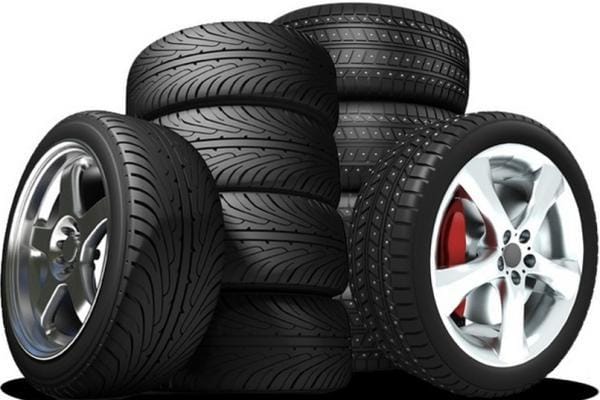
In this detailed guide, we’ll break down the real differences — so you can make a smart, safe, and cost-effective decision.
1. Manufacturing Standards & Technology
🇯🇵 Japanese Tyres
Japan is home to some of the world’s most respected tyre manufacturers, including:
Bridgestone
Yokohama
Toyo
Falken
Japanese brands are known for:
Advanced rubber compound technology
Precision engineering
Strict quality control
Strong research & development
Japanese tyre manufacturers invest heavily in innovation, focusing on fuel efficiency, wet grip, noise reduction, and long tread life.
🇨🇳 Chinese Tyres
Chinese tyre manufacturers have grown rapidly in the last decade. Many brands now export globally, including to the UK.
They are known for:
Competitive pricing
Mass production
Improving quality standards
While some premium Chinese brands now meet EU safety regulations, quality can vary between manufacturers. Lower-cost models may not match the engineering precision of Japanese tyres.
Verdict: Japanese tyres generally lead in advanced technology and consistent manufacturing quality.
2. Performance on UK Roads
The UK climate is unpredictable — rain, cold temperatures, and wet roads are common. Tyre performance in these conditions is critical.
Wet Grip & Braking
Japanese tyres typically offer:
Shorter braking distances
Better water dispersion
Stronger grip on wet surfaces
This makes them ideal for UK motorway driving and heavy rainfall conditions.
Chinese tyres can perform well, but lower-budget options may have:
Longer braking distances
Reduced wet grip at higher speeds
This can make a difference during emergency braking.
Dry Handling & Stability
Japanese tyres are designed for balanced performance, especially at motorway speeds (M1, M62, M25 etc.).
They provide:
Better cornering stability
Strong steering response
Smoother high-speed driving
Some Chinese tyres may feel slightly less stable at higher speeds, especially cheaper models.
Verdict: For performance-focused drivers, Japanese tyres usually offer better overall road handling.
3. Durability & Lifespan
One major factor UK drivers consider is how long tyres will last.
Japanese Tyres
Longer tread life
More durable rubber compounds
Better resistance to wear
Although they cost more upfront, they often last longer — meaning better long-term value.
Chinese Tyres
Generally cheaper upfront
May wear out faster
Suitable for short-term or low-mileage drivers
If you drive high mileage (commuting daily or motorway travel), Japanese tyres may save money over time.
Verdict: Japanese tyres typically last longer and offer better long-term value.
4. Safety Standards & Regulations
All tyres sold in the UK must meet EU/UK safety standards. However, performance levels vary.
Japanese brands often score higher in:
EU tyre label ratings (wet grip, fuel efficiency, noise)
Independent tyre testing
Crash and braking performance
Premium Chinese brands are improving, but ultra-budget options may score lower on wet grip ratings.
Important Tip:
Always check the EU tyre label rating before purchasing — especially wet grip rating (A is best).
5. Price Comparison (UK Market 2026)
Let’s compare typical UK pricing:
| Tyre Type | Average Price (Per Tyre) |
|---|---|
| Chinese Budget Tyre | £45 – £80 |
| Japanese Mid-Range Tyre | £85 – £150 |
| Japanese Premium Tyre | £150+ |
Chinese tyres are clearly more affordable.
But remember:
Cheaper tyres may wear out faster.
Premium tyres can improve fuel economy.
Better grip = better safety.
6. Fuel Efficiency & Road Noise
Japanese Tyres
Optimised rolling resistance
Better fuel efficiency
Quieter driving experience
Chinese Tyres
Acceptable efficiency
May produce slightly more road noise
Less advanced rubber compounds
If you drive long motorway distances around London, Manchester, Birmingham or Huddersfield, quieter tyres can significantly improve comfort.
7. Which One Should You Choose?
It depends on your driving needs.
Choose Chinese Tyres If:
You are on a tight budget
You drive short distances
You use your vehicle occasionally
You need a temporary replacement
Choose Japanese Tyres If:
You drive daily
You travel on motorways regularly
Safety is your top priority
You want long-lasting performance
8. What Do UK Drivers Prefer in 2026?
In recent years:
Budget-conscious drivers choose Chinese tyres.
Taxi drivers, commuters, and motorway drivers prefer Japanese tyres.
Many drivers now choose mid-range Japanese brands for balance between cost and safety.
At Tyre Vortex, we’ve seen increasing demand for both — depending on the driver’s budget and vehicle type.
9. Professional Advice from Tyre Vortex
At Tyre Vortex, we always recommend:
Checking tyre label ratings
Considering driving habits
Not choosing price alone
Ensuring proper installation
We supply and fit:
Budget tyres
Mid-range tyres
Premium Japanese tyres
All-season tyres
Emergency replacements
Whether you’re in London, Huddersfield, Manchester, Birmingham, or nearby areas, our mobile tyre fitting team can help you choose the right tyre for your vehicle and driving needs.
Final Verdict: Chinese vs Japanese Tyres
| Factor | Chinese Tyres | Japanese Tyres |
|---|---|---|
| Price | Cheaper | More expensive |
| Technology | Improving | Advanced |
| Wet Grip | Moderate | Excellent |
| Durability | Moderate | High |
| Safety Ratings | Varies | Consistently High |
| Long-Term Value | Good for short-term | Better long-term |
If safety and long-term performance matter most — Japanese tyres usually win.
If budget is your primary concern — Chinese tyres can still be a reasonable option (choose reputable brands only). Contact Now