Best Tyres for Rainy Roads – Complete 2026 Safety & Buying Guide
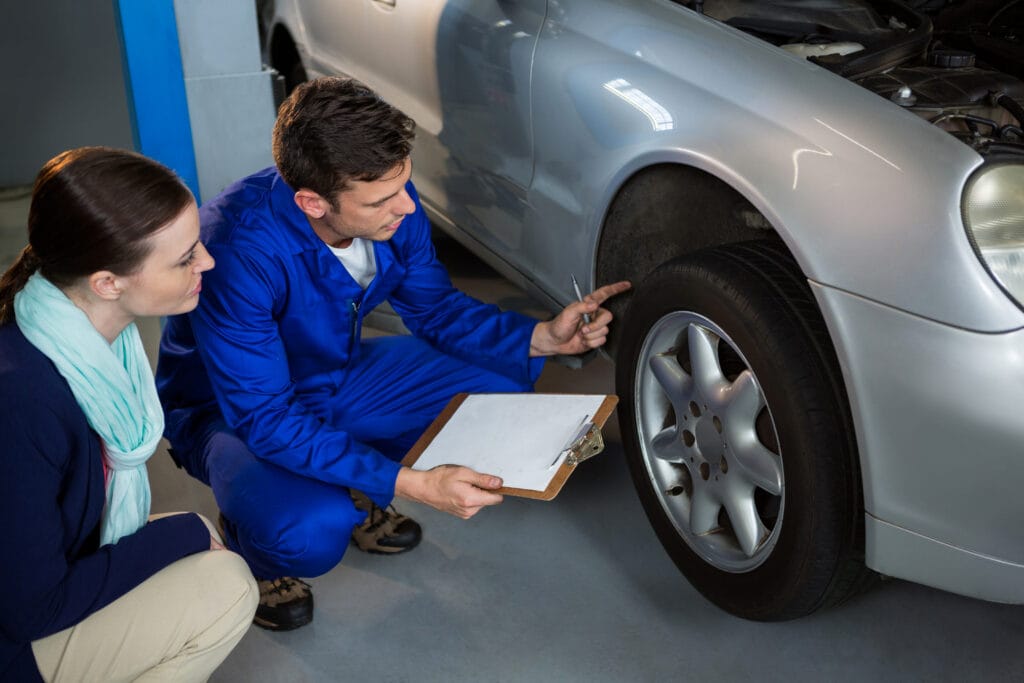
Driving in the rain can be hard and dangerous, especially if your car’s tires aren’t made for wet roads. It is much more likely that accidents will happen when the road is wet, there is standing water, visibility is poor, or the brakes suddenly stop. That’s why picking the right tires for driving on wet roads is one of the most important things you can do to stay safe.
This detailed guide will explain why driving on wet roads is dangerous, what features make tires good for rain, which types of tires work best, and how to take care of your tires during the rainy season.
Why Are Roads Dangerous When It’s Raining?
When it rains, there is less friction between your tires and the road. The tyres lose contact with the ground when water builds up faster than they can push it away. This make a dangerous situation called aquaplaning (hydroplaning).
Wet roads are dangerous because:
- Longer distance to stop
- Less control over steering
- More likely to skid
- The car doesn’t stay stable when it turns.
Even experienced drivers can lose control in wet conditions if they don’t have the right tires.
What Makes a Tyre Good for Rainy Roads?
Not all tyres are designed to perform well in rain. Below are the most important features to look for when choosing tyres for wet weather.
1. Deep Tread Pattern for Water Dispersion
The tread pattern plays a major role in wet-road performance. Tyres designed for rainy roads have deep and wide grooves that channel water away from the tyre surface.
1.Improves road contact
2.Reduces aquaplaning
3.Enhances braking performance
Important: If tread depth is below 1.6 mm, the tyre becomes unsafe for rainy conditions.
2. Strong Wet Grip Rating
Modern tyres come with wet grip ratings, usually marked from A to E.
1. A or B rating – Excellent wet braking performance.
2. C rating – Average grip
3. D/E rating – Poor performance on wet roads
Tyres with a higher wet grip rating stop faster and provide better control during rain.
- Soft Rubber Compound:
Tyres that work well in the rain use a softer rubber compound that stays flexible even when it’s wet or cold. When the ground is wet, hard rubber tyres lose their grip quickly.
- More grip
- Better stopping power
- Less slipping when turning
- Directional or Asymmetric Tyre Design
Directional tyres are good at pushing water away in one direction.
- When turning or braking, asymmetric tyres give you a lot of grip.
- Both styles work very well on wet roads, especially at higher speeds.
The Best Tyres for Wet Weather
The type of tyre you need depends on how you drive, where you live, and how much money you have.
Tyres for All Seasons
Drivers who live in areas with moderate rain often choose all-season tyres.
Best for:
- Weather that is not always the same
- Driving in the city every day
- A choice that won’t break the bank
They have good wet grip, but they might not work as well in heavy rain as specialised tyres.
Summer Tyres That Work Best in the Rain
These tyres are made to work well on wet roads.
Pros:
- Better grip in wet conditions
- Less distance needed to stop
- Better stability on the highway
- Great for drivers who drive a lot or drive fast in the rain.
Don’t buy cheap or worn out Hard Tyres
Old or low-quality tyres usually have shallow tread and hard rubber, which makes them dangerous in the rain.
Some of the problems are:
- Bad water distribution
- Higher chance of aquaplaning
- Less control and safety
How to Take Care of Your Tyres in the Rain
Even the best tyres need to be taken care of properly so they work well in the rain.
Keep the right amount of air in your tyres
When the tyre pressure is wrong, the tyre doesn’t touch the road as much.
- Low pressure means bad handling
- Less grip when there is a lot of pressure
- Always make sure to use the right tyre pressure as the manufacturer says to.
Check the depth of the tread Every now and then
Look at the tyres or use a tread depth gauge. Change your tyres before they get too worn out.
Rotate your tyres on time
Rotating your tyre makes sure that they wear evenly, which makes them last longer and perform better on wet roads.
Drive at Safe Speeds
Rain makes it harder to see and get traction. Going slower makes it much less likely that you will aquaplane.
When you need new tyres for wet roads
It’s time to get new tyres if you see any of the following:
- When it rains, the car slips when you brake.
- The steering feels light or shaky.
- Cracks or wear that you can see
- Too much noise from cars on wet roads
If you don’t pay attention to these signs, you could be putting yourself in danger.
How to Drive Safely in the Rain
Even with good tyres, you still need to drive safely:
- Increase the distance between you and the car in front of you.
- Don’t brake suddenly
- Drive smoothly when you turn
- Use your headlights when it’s raining hard.
- Safety is based on both the tyres and how you drive.
Mobile Tyre Fitting: A Safer Choice When It’s Raining
Punctures or worn tyres that happen in the rain can be very stressful. With mobile tyre fitting services, you can change or fix your tyres at your home or business without having to drive in bad weather.
- This is very helpful when: Heavy rain
- Emergencies that happen late at night
- Breakdowns on the highway
Frequently Asked Questions (FAQs)
- What kind of tyres work best on wet roads?
For rainy roads, you should use tyres with deep tread patterns, a high wet grip rating, and soft rubber. These tyres help water spread out quickly and lower the chance of skidding.
- Are all-season tyres good for wet weather?
Yes, all-season tyres work well on wet roads for driving around town every day. But for highways and heavy rain, tyres made for wet grip are safer.
3. How can I tell if my tyres are safe to drive on wet roads?
Look for any cracks, the tread depth (at least 1.6 mm), and the tyre pressure. You may need to replace your tyre if your car slips when you brake on wet roads.
- What is aquaplaning, and how can tyres stop it?
When water builds up between the tyre and the road, it can cause aquaplaning, which means you lose control. Aquaplaning is less likely to happen with tyres that have wide grooves and tread patterns that point in different directions.
- How often should you change your tyre to stay safe during the rainy season?
You should change your tyre every four to five years, or sooner if the tread is worn down. Always check your tyre before the rainy season to make sure they have good grip and are safe.
Need Safe Tyres for Rainy Roads?
Don’t take risks on wet roads. TyreVortex offers expert tyre advice, fast replacement, and mobile tyre fitting at your location even in rainy conditions.
Book Mobile Tyre Fitting with TyreVortex
Get Emergency Tyre Help from TyreVortex