Basic Car Maintenance Checks After a Drive
Driving your car daily or even occasionally puts wear and tear on different parts of the vehicle. Many drivers focus on maintenance before a long journey but forget that checking your car after a drive is just as important. Simple post-drive inspections can help you spot small problems early, avoid breakdowns, and save money on costly repairs. TYREVORTEX
In this guide, we will cover basic car maintenance checks after a drive that every driver should know. These checks are easy, quick, and do not require advanced mechanical knowledge.
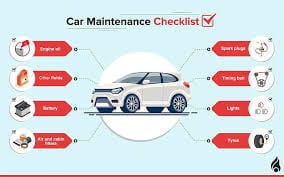
1. Check Your Tyres
Tyres are the most important safety component of your car because they are the only part that touches the road.
After a drive, take a moment to:
Look for cuts, cracks, or bulges
Check if any nails or sharp objects are stuck in the tyre
Notice if a tyre looks under-inflated or flat
Driving over potholes or rough roads can damage tyres without you noticing during the journey. Catching tyre issues early can prevent sudden blowouts and unsafe driving.
2. Observe Tyre Pressure (Visual Check)
While exact pressure should be checked when tyres are cold, a visual check after driving is still useful.
Look for:
One tyre looking lower than the others
Uneven tyre shape
Warning light related to tyre pressure
Uneven pressure can affect handling, braking, and fuel efficiency. If something looks wrong, check pressure properly once the tyres cool down.
3. Inspect the Brakes
After switching off the engine, pay attention to how the brakes felt during the drive.
Warning signs include:
Squeaking or grinding noises
Soft or spongy brake pedal
Car pulling to one side when braking
Brakes wear down gradually, and early signs often appear during or right after a drive. Ignoring brake issues can lead to serious safety risks.
4. Look for Fluid Leaks
Once the car is parked, glance at the ground under the vehicle.
Check for:
Oil spots
Coolant leaks (often green, pink, or orange)
Brake fluid leaks
Any fresh fluid under the car is a sign that something needs attention. Even small leaks can turn into major mechanical problems if ignored.
5. Check Dashboard Warning Lights
After your drive, notice if any new warning lights appeared during the journey.
Common warning lights include:
Engine warning light
Oil pressure light
Battery warning light
Tyre pressure monitoring system (TPMS)
Never ignore warning lights, even if the car seems to be driving normally.
6. Listen for Unusual Sounds
Unusual noises often become noticeable after driving.
Listen for:
Clicking or ticking sounds
Knocking noises
Hissing sounds
These sounds can indicate problems with the engine, exhaust, suspension, or tyres.
7. Smell for Anything Unusual
Your nose can also help detect problems.
Be alert for:
Burning smells
Strong fuel smell
Sweet smell (coolant leak)
Unusual smells after a drive should never be ignored, as they may indicate overheating or leaks.
8. Check Lights and Indicators
Before leaving the car, do a quick walk-around.
Make sure:
Headlights are working
Brake lights function properly
Indicators are not cracked or broken
Lights are essential for safety, especially when driving at night or in poor visibility.
9. Interior Check
Inside the car, check:
Steering wheel feel (too loose or stiff)
Gear shifting smoothness
Any warning messages on the screen
Interior feedback gives early signs of mechanical or electrical issues.
10. Smart Tip: Plan Ahead Before Your Next Drive
A very important but often ignored step is planning before your next drive. Before starting a journey—especially a longer one—it is smart to check your route from your starting point to your destination and keep mobile tyre fitting or roadside assistance services in mind.
Knowing that help is available along your route gives peace of mind. If a tyre problem occurs unexpectedly, having access to mobile tyre fitting services can save time, reduce stress, and keep your journey safe without needing to tow the vehicle.
Why These Checks Matter
Regular post-drive checks:
Improve road safety
Reduce breakdown risk
Extend vehicle lifespan
Save money on repairs
Improve fuel efficiency
These checks take only a few minutes but offer long-term benefits.
Final Thoughts
Basic car maintenance checks after a drive are a simple habit that every driver should develop. These quick inspections help identify problems early, keep your car safe, and ensure smooth driving experiences. Combined with smart planning—such as being aware of mobile tyre fitting services along your route—you can drive with confidence and peace of mind.