Classic cars are more than just vehicles — they represent passion, history, and craftsmanship. However, in Minnesota, proposed changes to classic car laws may significantly alter how these vehicles are used.
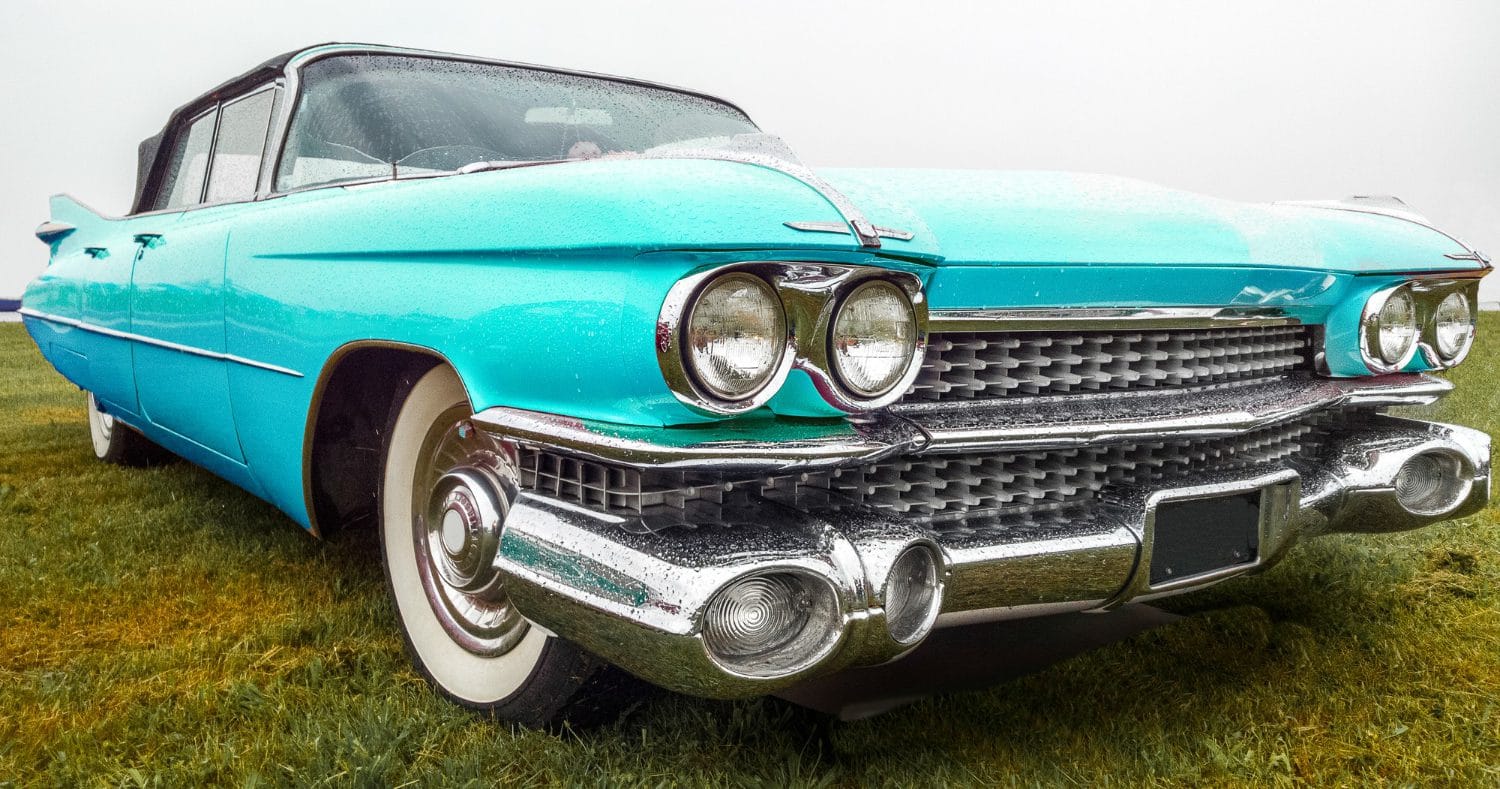
One of the most notable updates is the introduction of weekday driving restrictions. While many discussions focus on legal implications, an equally important factor is often overlooked — the impact on tyres.
This blog explains the proposed law, its implications for classic car owners, and how it directly affects tyre performance and maintenance.
What Are the Proposed Law Changes?
Minnesota lawmakers are considering stricter regulations for vehicles registered as classic or collector cars.
Key Proposed Changes:
- No regular weekday driving from Monday to Friday
- Usage limited to specific purposes such as:
- Car shows
- Exhibitions
- Parades
- Maintenance-related drives
- Weekend driving may be allowed with time restrictions
These changes aim to ensure that classic vehicles are used primarily for recreational and display purposes rather than daily transport.
Why Is Minnesota Introducing These Restrictions?
There are several reasons behind this proposal:
Preserving Classic Vehicle Status
Classic cars are intended for limited, occasional use rather than everyday driving.
Safety Concerns
Older vehicles often lack modern safety features such as advanced braking systems and improved tyre technology.
Preventing Misuse
Some owners register vehicles as classic to benefit from reduced taxes or lower registration fees, even when using them regularly.
How Weekday Driving Restrictions Affect Car Owners
These restrictions may seem minor, but they have practical consequences.
Reduced Flexibility
Owners will no longer be able to use their vehicles casually during the week.
Increased Idle Time
Vehicles may remain parked for extended periods, leading to mechanical and tyre-related issues.
This reduced usage directly affects tyre condition over time.
Tyre Impact: The Hidden Problem
The effect of limited driving on tyres is often underestimated. However, tyres can deteriorate even when the vehicle is not in use.
Flat Spot Formation
When a car remains stationary for long periods, tyres can develop flat spots. This results in uneven driving, vibrations, and reduced comfort.
Classic cars are particularly vulnerable due to older tyre materials.
Tyre Pressure Loss
Tyres naturally lose air pressure over time. If not monitored, this can lead to sidewall damage, reduced lifespan, and poor handling.
Rubber Degradation
Even without use, tyre rubber deteriorates due to environmental factors such as temperature fluctuations and UV exposure.
Less driving means less natural movement, which accelerates aging.
Reduced Performance Consistency
Tyres require regular use to maintain optimal performance. Limited driving reduces proper heat cycles, affecting grip and handling.
How to Protect Your Classic Car Tyres
With restricted usage, proper tyre care becomes essential.
Maintain Tyre Pressure
Check tyre pressure regularly, even if the car is not being driven.
Move the Vehicle Occasionally
Slight movement helps prevent flat spots and maintains tyre shape.
Use Tyre Supports
Tyre cushions or stands can reduce stress on one area during long storage periods.
Store the Car Properly
Keep the vehicle in a covered area, away from direct sunlight and harsh environmental conditions.
Rotate Tyres Periodically
Even with low mileage, rotation helps maintain even wear.
Performance Impact on Classic Cars
Tyres play a critical role in vehicle performance. With limited use, you may notice:
- Changes in handling
- Increased braking distance
- Reduced ride comfort
These issues can be more pronounced in classic cars due to older suspension and tyre technology.
Impact on Maintenance Costs
Reduced driving does not necessarily mean reduced costs.
Owners may experience:
- More frequent tyre replacements
- Additional maintenance requirements
- Increased risk of unexpected tyre issues
Preventive maintenance becomes more important than ever.
Expert Insight from Tyre Vortex
At Tyre Vortex, experience shows that inactivity can significantly affect tyre health, especially in classic vehicles.
Owners are advised to:
- Prioritize regular tyre inspections
- Monitor condition regardless of mileage
- Address minor issues before they become major problems
Effect on the Classic Car Community
The proposed law has generated mixed reactions.
Some concerns include:
- Reduced driving freedom
- Limited enjoyment of classic vehicles
- Additional maintenance challenges
At the same time, it may encourage better preservation and safer usage practices.
Future Outlook
If implemented, these regulations could influence broader automotive trends, including:
- Stricter classification of classic vehicles
- Greater focus on maintenance and compliance
- Increased demand for specialized services
Conclusion
Minnesota’s proposed classic car law changes extend beyond legal restrictions. They influence how often vehicles are used and how they must be maintained.
Tyres, in particular, are heavily impacted by reduced usage. Without proper care, issues such as flat spots, pressure loss, and degradation can arise quickly.
Classic car owners must adapt by focusing on preventive maintenance to ensure both performance and safety.