Your tyres do far more than simply keep your car moving. They help you brake, steer, corner, and stay in control in wet or dry conditions. When tyres are in poor condition, your car can feel less stable, stopping distances can increase, and the risk of a puncture or blowout becomes much higher.
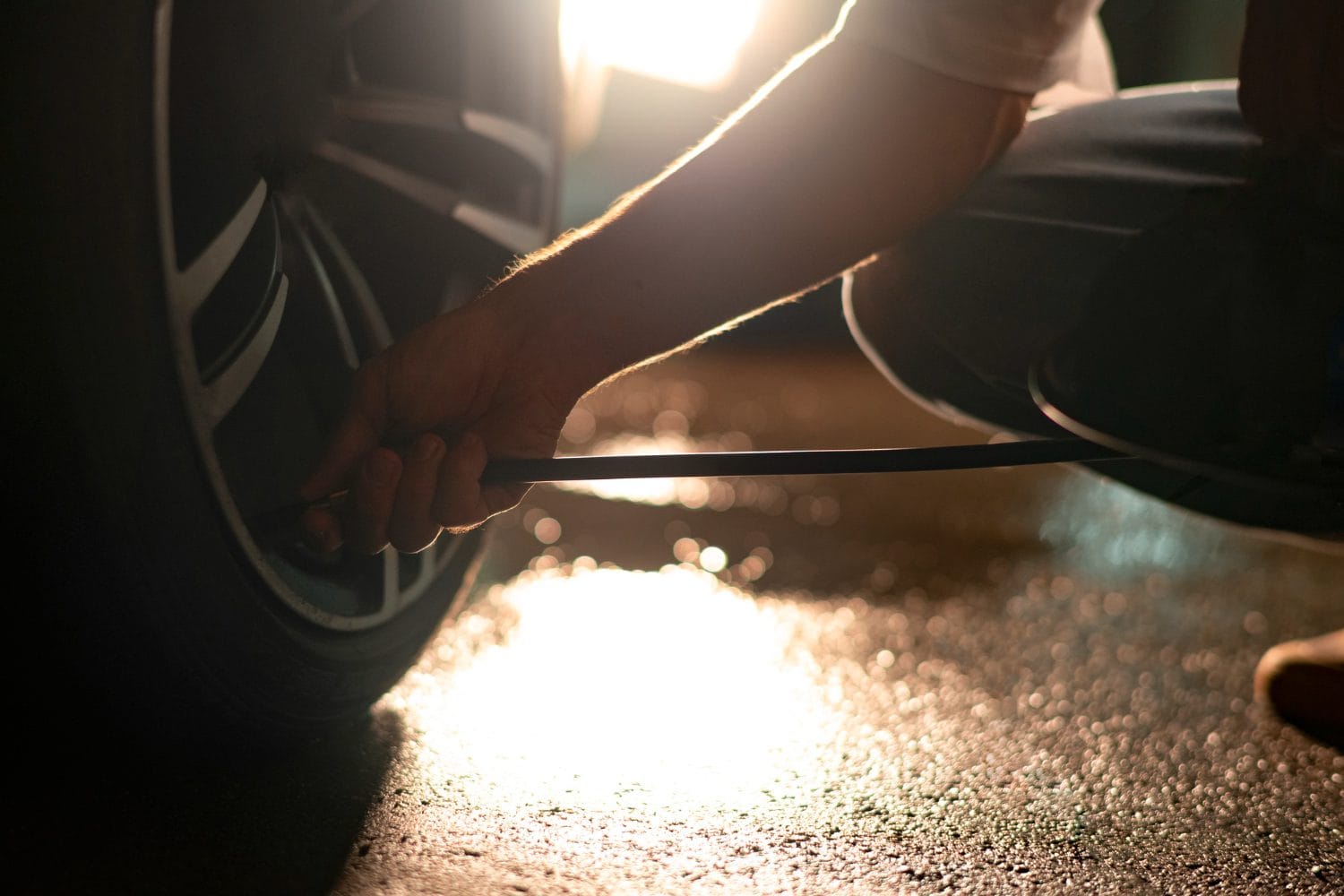
The problem is that many drivers do not notice tyre issues until the damage becomes serious. A tyre can look “good enough” at a glance, while hidden wear or damage is already making driving unsafe. That is why regular checks matter.
At Tyre Vortex, the team regularly helps drivers with mobile tyre fitting, mobile puncture repair, and tyre inspection services across the UK. The business also lists its contact location as 14 Mill St, Crosland Moor, Huddersfield HD4 5AT, United Kingdom, and highlights service pages including Mobile Tyre Fitting, Mobile Puncture Repair, and Mobile Tyre Inspection, along with area coverage such as Huddersfield, Ainley Top, Lindley Moor, Leeds, Birmingham, Glasgow, East London, Liverpool, and near the M62 Huddersfield.
If you are wondering whether your tyres are still safe to drive on, here are the top warning signs you should never ignore.
1. Low Tread Depth
One of the clearest signs of an unsafe tyre is worn tread. Tread is what helps your tyres grip the road, especially in rain. When the tread becomes too low, your car can struggle to stop quickly and may be more likely to skid on wet roads.
A tyre with poor tread depth cannot clear water properly. This increases the chance of aquaplaning, where the tyre loses contact with the road surface. Even if your car feels mostly normal in dry weather, worn tread can become very dangerous in heavy rain.
A simple way to spot this is to look across the surface of the tyre. If the grooves look shallow or uneven, it may be time for a replacement. Many drivers delay changing tyres because they still seem usable, but waiting too long can turn a manageable issue into a safety risk.
2. Cracks in the Sidewall
Tyre sidewalls should look solid and smooth. If you notice visible cracks, splits, or dry-looking rubber, it is often a sign that the tyre is ageing or weakening. This kind of damage can happen due to sunlight, temperature changes, long periods of parking, or general wear over time.
Sidewall cracks are not just cosmetic. They can mean the structure of the tyre is starting to break down. Once that happens, the tyre is more vulnerable to sudden failure, especially at higher speeds or when driving over potholes.
If a sidewall looks damaged, do not assume it is a minor issue. It is always safer to have it checked properly rather than continuing to drive and hoping it will hold up.
3. Bulges or Blisters on the Tyre
A bulge in the tyre wall is one of the most serious warning signs. It usually means the internal structure of the tyre has been damaged, often from hitting a pothole, kerb, or rough road surface.
When you see a bulge, it means air pressure is pushing against a weakened part of the tyre. This can lead to a blowout if the tyre is left in use. Unlike general wear, a bulge often needs immediate attention.
If you ever notice this, it is best not to keep driving unless absolutely necessary. A damaged tyre can fail without much warning, and that makes it a real road safety issue.
4. Uneven Tyre Wear
Tyres should wear down evenly. If one side is more worn than the other, or the centre is wearing faster than the edges, something is wrong. Uneven wear can be caused by poor wheel alignment, incorrect tyre pressure, suspension problems, or missed tyre rotation.
This matters because uneven tyres do not grip the road properly. They can affect steering, make braking less predictable, and reduce the life of the tyre. It can also be a sign of a bigger issue with the vehicle itself.
A lot of drivers only notice uneven wear once it becomes obvious, but by that point the tyre may already be unsafe. Checking tyres once every few weeks can help you catch these patterns early.
5. Frequent Loss of Tyre Pressure
If one tyre keeps losing air, that is a sign you should not ignore. While cold weather can cause minor pressure changes, frequent air loss usually points to a puncture, valve issue, rim leak, or tyre damage.
Driving on underinflated tyres is unsafe because it affects handling, fuel efficiency, and braking performance. It also puts more stress on the tyre structure, which can cause further damage over time.
Some people top the tyre up again and again without getting it inspected. That may seem like a quick fix, but it does not solve the actual problem. If a tyre cannot hold pressure properly, it needs professional attention.
6. Vibrations While Driving
A little vibration on rough roads is normal, but strong or unusual vibration while driving can indicate a tyre problem. Sometimes it points to wheel balancing issues, tyre damage, or uneven tread wear.
If the steering wheel shakes or the car feels unstable, your tyres should be checked. In some cases, vibration is caused by a tyre that has developed internal damage, even if the outside still looks acceptable.
Ignoring vibration is risky because the problem often gets worse with time. What starts as a small discomfort can turn into poor handling or a serious failure on the road.
7. Cuts, Embedded Objects, or Visible Damage
It is not always a full puncture that makes a tyre unsafe. Sharp objects, cuts in the rubber, or visible surface damage can all weaken the tyre and make it more likely to fail later.
Sometimes a nail or screw stays lodged in the tyre, which means the air leak may be slow and easy to miss. Other times, the object may have already fallen out, leaving damage behind. Cuts near the sidewall are especially concerning because sidewall damage is harder to repair safely.
If you spot anything unusual in the tyre surface, it is best to act early rather than wait for a complete flat.
8. Your Car Feels Less Stable on the Road
Drivers often notice tyre problems through the way the car feels. If your vehicle seems less responsive in corners, takes longer to stop, or feels loose on wet roads, the tyres may no longer be providing the grip they should.
This kind of change can happen gradually, which is why many people get used to it without realising. They think the car is just “getting older,” when in reality the tyres are becoming unsafe.
Trust what the car is telling you. If it no longer feels planted and secure, it is worth checking the tyres before the problem gets worse.
9. The Tyres Are Old
Even tyres that are not used heavily can become unsafe with age. Rubber hardens over time, and older tyres may not perform as well as they once did. They can lose flexibility, develop cracks, and offer less grip, especially in bad weather.
A car that does low mileage is not automatically safe from tyre issues. In fact, some lightly used cars still have tyres that are years old and no longer in the best condition.
If you have not checked the age of your tyres in a long time, it is a smart step to take. Ageing tyres can look acceptable on the surface while still being less dependable on the road.
10. You Have Already Had One or More Warning Signs
Sometimes drivers wait because each individual issue does not seem urgent on its own. Slightly low tread, a small crack, a bit of vibration, or occasional pressure loss may seem manageable. But when two or three of these signs appear together, the tyre is clearly no longer in a safe condition.
This is usually the point where a proper inspection or replacement should not be delayed. Safe tyres are not just about comfort. They are essential for keeping control of your car and protecting everyone inside it.
Why Acting Early Matters
Unsafe tyres rarely improve on their own. Small warning signs often turn into bigger and more expensive problems. A minor puncture can become a damaged tyre. Uneven wear can shorten tyre life. Low pressure can affect fuel economy and increase the risk of roadside breakdowns.
That is why early action is always the better option. A quick check today can save you from stress, delay, and unnecessary danger tomorrow.
For drivers who need help quickly, Tyre Vortex promotes services such as Mobile Tyre Fitting, Mobile Puncture Repair, and Reliable Mobile Tyre Inspection, with contact details and a Huddersfield location shown on the site. The website also highlights local area pages including Mobile Tyre Fitting Huddersfield, Ainley Top, and Lindley Moor.
Final Thoughts
Your tyres are one of the most important safety parts on your vehicle, yet they are also one of the most overlooked. If you notice worn tread, cracks, bulges, pressure loss, vibration, or uneven wear, do not brush it aside.
The safest approach is simple: check your tyres regularly, take warning signs seriously, and deal with problems before they leave you stranded. Whether you are driving through Huddersfield, commuting daily, or preparing for a longer journey, safe tyres give you better grip, better control, and greater peace of mind.
If your tyres do not look or feel right, it is always better to inspect them now than regret it later.