Most drivers think tyres are just black rubber circles that get you from A to B. But the truth is, tyres are one of the most advanced and important safety components on your vehicle. In fact, they are the only part of your car that touches the road.
From surprising history to modern technology, here are 13 incredible facts about tyres that will completely change the way you look at them.
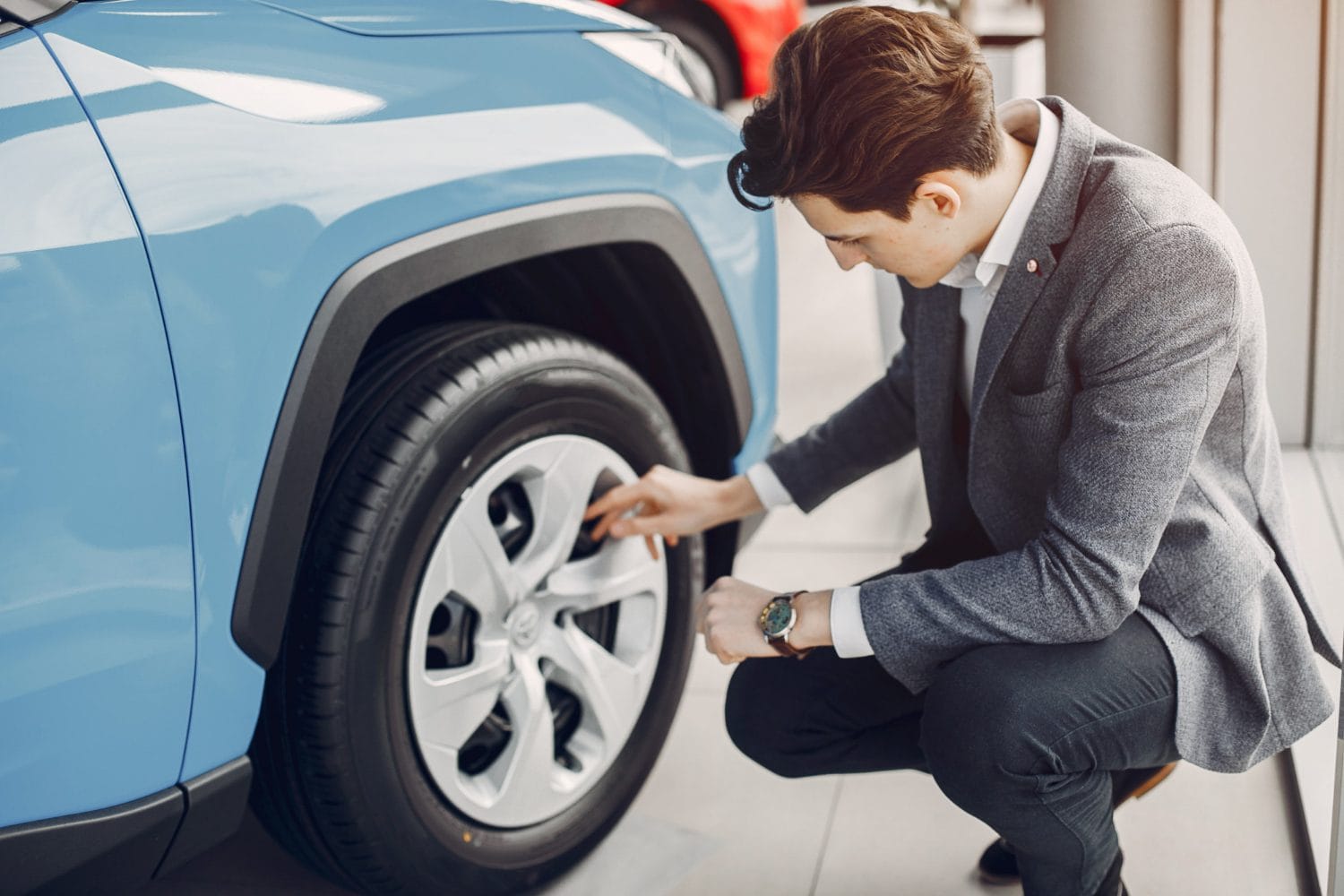
1. Tyres Are the Only Contact Between You and the Road
It might sound obvious, but it’s powerful when you think about it. Each tyre has a contact patch roughly the size of a postcard. That means your entire vehicle — sometimes weighing over 1.5 tonnes — is balanced on four small patches of rubber.
This is why tyre condition is critical for braking, cornering, and overall safety.
2. Tyres Are Not Actually Made of Just Rubber
Modern tyres are complex engineering masterpieces. They contain:
Natural rubber
Synthetic rubber
Steel belts
Textile cords
Carbon black
Chemical compounds
A single tyre can contain over 200 different materials. This combination gives strength, flexibility, durability, and grip in different weather conditions.
3. Tyre Pressure Affects Fuel Economy
Driving with underinflated tyres increases rolling resistance. This forces your engine to work harder and burn more fuel.
In fact, incorrect tyre pressure can reduce fuel efficiency by up to 3–5%, which adds up quickly with today’s fuel prices in the UK.
Regular pressure checks — something Tyre Vortex always recommends during mobile tyre fittings — can save you money long-term.
4. Underinflated Tyres Are Extremely Dangerous
Low tyre pressure doesn’t just waste fuel. It also:
Increases stopping distance
Causes uneven wear
Raises the risk of blowouts
Reduces steering control
Many motorway breakdowns in the UK are caused by tyre issues that could have been prevented with simple maintenance.
5. The First Pneumatic Tyre Was Invented in 1888
Scottish inventor John Boyd Dunlop created the first practical inflatable tyre in 1888. His invention dramatically improved comfort and performance compared to solid rubber wheels.
Today’s tyres are built using cutting-edge technology, but they all trace back to this revolutionary idea.
6. Tyres Lose Tread Even If You Don’t Drive Much
Many drivers assume tyres only wear out with mileage. However, tyres also degrade due to:
UV exposure
Temperature changes
Moisture
Long-term parking
Even if tread looks good, tyres older than 5–6 years should be professionally inspected. Rubber hardens over time, reducing grip — especially in wet UK conditions.
7. The Legal Tread Depth in the UK Is 1.6mm
UK law requires tyres to have at least 1.6mm tread depth across the central three-quarters of the tyre.
Driving with illegal tread can result in:
£2,500 fine per tyre
3 penalty points per tyre
MOT failure
However, safety experts recommend replacing tyres at 3mm, especially for wet weather performance.
8. Tyres Perform Differently in Summer and Winter
Many UK drivers don’t realise that tyre rubber compounds react to temperature changes.
Summer tyres perform best above 7°C
Winter tyres remain flexible below 7°C
All-season tyres balance both conditions
Switching to season-appropriate tyres can dramatically improve braking and grip.
9. Tyres Can Be Repaired — But Not Always
Not all punctures require full replacement. Small punctures in the central tread area can often be safely repaired.
However, damage to:
Sidewalls
Shoulder areas
Large tears
Usually requires replacement for safety reasons.
A professional assessment — like the service offered by Tyre Vortex — ensures you only replace when necessary.
10. Wheel Alignment Impacts Tyre Life
Poor alignment can cause tyres to wear unevenly, reducing lifespan significantly.
Signs of alignment issues:
Car pulling to one side
Uneven tread wear
Steering wheel vibration
Correct alignment can extend tyre life by thousands of miles.
11. Tyres Have Speed Ratings
Every tyre has a speed rating marked by a letter (e.g., H, V, W).
This rating indicates the maximum speed the tyre can safely handle. Installing the correct rating is essential for performance and safety — especially for high-performance vehicles.
12. Heat Is a Tyre’s Biggest Enemy
Excessive heat causes internal tyre damage. Heat builds up from:
High speeds
Underinflation
Overloading the vehicle
Motorway driving — especially in summer — increases tyre stress. That’s why emergency motorway tyre services, like those provided by Tyre Vortex, are so important.
13. Tyres Directly Affect Your Braking Distance
In wet conditions, worn tyres can increase stopping distance dramatically.
For example:
At 50mph in rain, tyres with 1.6mm tread can take several car lengths longer to stop compared to tyres with 8mm tread.
That difference can be the line between a near miss and a serious accident.
Why Tyre Maintenance Matters More Than You Think
Tyres influence:
Safety
Fuel efficiency
Handling
Comfort
Legal compliance
Ignoring tyre condition is one of the most common — and preventable — mistakes UK drivers make.
Regular checks for:
Tread depth
Pressure
Cracks or bulges
Uneven wear
Can save money and lives.
How Tyre Vortex Helps UK Drivers Stay Safe
At Tyre Vortex, we understand that tyre problems rarely happen at convenient times. Whether you’re dealing with a puncture at home, at work, or stranded roadside, our mobile tyre fitting service is designed to get you back on the road quickly and safely.
We provide:
24/7 emergency tyre replacement
Mobile tyre fitting at your location
Roadside tyre assistance
Expert tyre inspections
Competitive pricing on premium and budget tyres
Our goal is simple: Reliable, Rapid & Roadside Ready When You Need It Most.
Final Thoughts
Tyres may seem simple, but they are incredibly sophisticated pieces of engineering that directly impact your safety, performance, and wallet.
By understanding these 13 incredible facts, you can make smarter decisions about tyre care and replacement.
And when you need expert help, Tyre Vortex is always ready to assist — keeping UK drivers safe, one tyre at a time.