As the automotive industry rapidly shifts toward electric vehicles (EVs), drivers are not only comparing fuel savings and environmental impact but also maintenance costs. One of the most overlooked yet important factors is tyre life. Many UK drivers are surprised to learn that electric cars and fuel cars affect tyres very differently.
In this in-depth guide, we’ll explore electric vs fuel cars tyre life comparison, explain why tyre wear differs, and help you understand which vehicle type offers better tyre longevity. Whether you drive an EV or a petrol/diesel car, this article will help you make informed decisions and reduce long-term tyre expenses.
Understanding Tyre Life
Tyre life refers to how long a tyre lasts before the tread wears down to unsafe levels. On average, tyres are designed to last 25,000 to 50,000 miles, depending on vehicle type, driving habits, road conditions, and tyre quality.
However, electric vehicles and fuel cars place very different stresses on tyres, which directly affects how long they last.
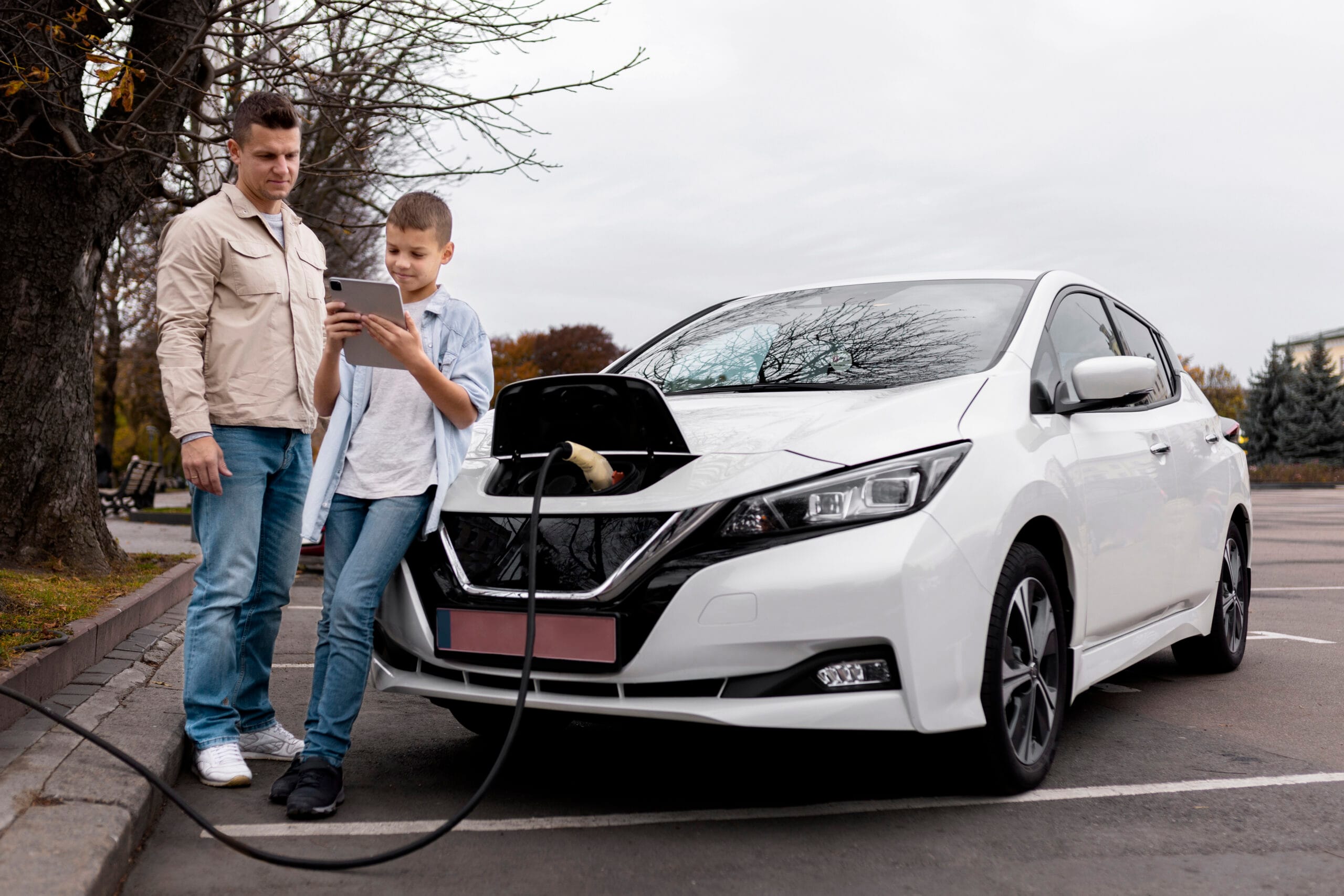
Why Electric Cars Wear Tyres Faster
Electric vehicles are often associated with lower running costs, but when it comes to tyres, the story is different.
1. Heavier Vehicle Weight
Electric cars carry large battery packs, which significantly increase vehicle weight. In many cases, EVs are 20–30% heavier than comparable fuel cars. This extra weight puts more pressure on tyres, accelerating tread wear.
2. Instant Torque Delivery
Unlike petrol or diesel engines, electric motors deliver instant torque. While this provides smooth and fast acceleration, it also causes tyres to grip harder and wear faster, especially during frequent stop-and-go driving.
3. Regenerative Braking
EVs use regenerative braking systems that shift braking forces differently compared to traditional braking. This can increase wear on certain tyres, particularly the front ones.
4. Softer Tyre Compounds
Many electric cars use low-rolling-resistance tyres to improve range. These tyres often have softer rubber compounds, which wear down more quickly than traditional fuel-car tyres.
Average Tyre Life for Electric Cars
25,000 – 35,000 miles
Performance EVs may see even shorter tyre lifespan
Why Fuel Cars Have Better Tyre Longevity

Fuel-powered cars—petrol and diesel—generally offer longer tyre life due to their mechanical design.
1. Lighter Weight
Without heavy batteries, fuel cars place less load on tyres, reducing wear over time.
2. Gradual Power Delivery
Fuel engines deliver power more progressively, which results in less aggressive tyre wear during acceleration.
3. Conventional Braking Systems
Traditional braking systems distribute braking forces more evenly, helping tyres last longer.
4. Wider Tyre Options
Fuel cars have access to a broader range of tyre compounds, including harder rubber tyres designed for longevity.
Average Tyre Life for Fuel Cars
40,000 – 50,000 miles
Can exceed this with proper maintenance
Electric vs Fuel Cars: Tyre Life Comparison Table
| Feature | Electric Cars | Fuel Cars |
|---|---|---|
| Vehicle Weight | Heavier | Lighter |
| Torque Delivery | Instant | Gradual |
| Tyre Wear Rate | Faster | Slower |
| Average Tyre Life | 25k–35k miles | 40k–50k miles |
| Tyre Cost | Higher | Lower |
Driving Conditions and Tyre Wear
In the UK, road conditions and weather also influence tyre longevity.
Urban driving increases tyre wear for EVs due to frequent acceleration
Motorway driving improves tyre life for both vehicle types
Cold and wet weather can increase tyre degradation
Poorly maintained roads accelerate wear regardless of vehicle type
How to Extend Tyre Life in Electric Cars
While EV tyres wear faster, proper care can significantly improve longevity:
Maintain correct tyre pressure
Rotate tyres every 5,000–7,000 miles
Use EV-specific reinforced tyres
Avoid harsh acceleration
Get regular wheel alignment checks
TyreVortex helps drivers understand tyre performance and maintenance needs, ensuring they choose the right tyres and care practices for their vehicle type.
Cost Impact: EV Tyres vs Fuel Car Tyres
Although electric cars save money on fuel, tyre costs can be higher due to:
Faster replacement cycles
Higher tyre prices
Special EV tyre specifications
Fuel cars may have higher fuel costs, but lower tyre replacement frequency often balances overall expenses.
Which Is Better for Tyre Longevity?
If tyre life is your top priority:
Fuel cars clearly offer better tyre longevity
Electric cars trade tyre life for efficiency and performance
However, advancements in EV tyre technology are steadily improving durability.
Role of TyreVortex
TyreVortex focuses on educating drivers about tyre performance, wear patterns, and maintenance strategies for both electric and fuel vehicles. Whether you drive an EV or a petrol car, understanding tyre behaviour helps you stay safe and reduce long-term costs.
Conclusion
When comparing electric vs fuel cars’ tyre life, fuel cars clearly offer better longevity. Electric vehicles, while efficient and environmentally friendly, place greater stress on tyres due to weight and torque.
That said, with proper maintenance and informed tyre choices—guided by platforms like TyreVortex—EV drivers can still achieve respectable tyre lifespan.
As tyre technology evolves, the gap between electric and fuel car tyre longevity will continue to narrow, making informed decisions more important than ever.