The UK is famous for its unpredictable weather. One day can bring sunshine, the next heavy rain, fog, or freezing temperatures. While this constantly changing climate is something drivers are used to, many underestimate how much it affects their tyres. Tyres are the only part of your vehicle that stays in direct contact with the road, and weather conditions play a major role in how well they grip, how quickly they wear, and how long they last.
From cold winter mornings in Glasgow to stop-start driving and summer heat in London, UK weather places unique demands on your tyres. Understanding these effects can help you stay safer on the road, reduce breakdowns, and avoid unnecessary tyre replacements. This is where professional support, such as TyreVortex mobile tyre fitting services, becomes especially valuable.
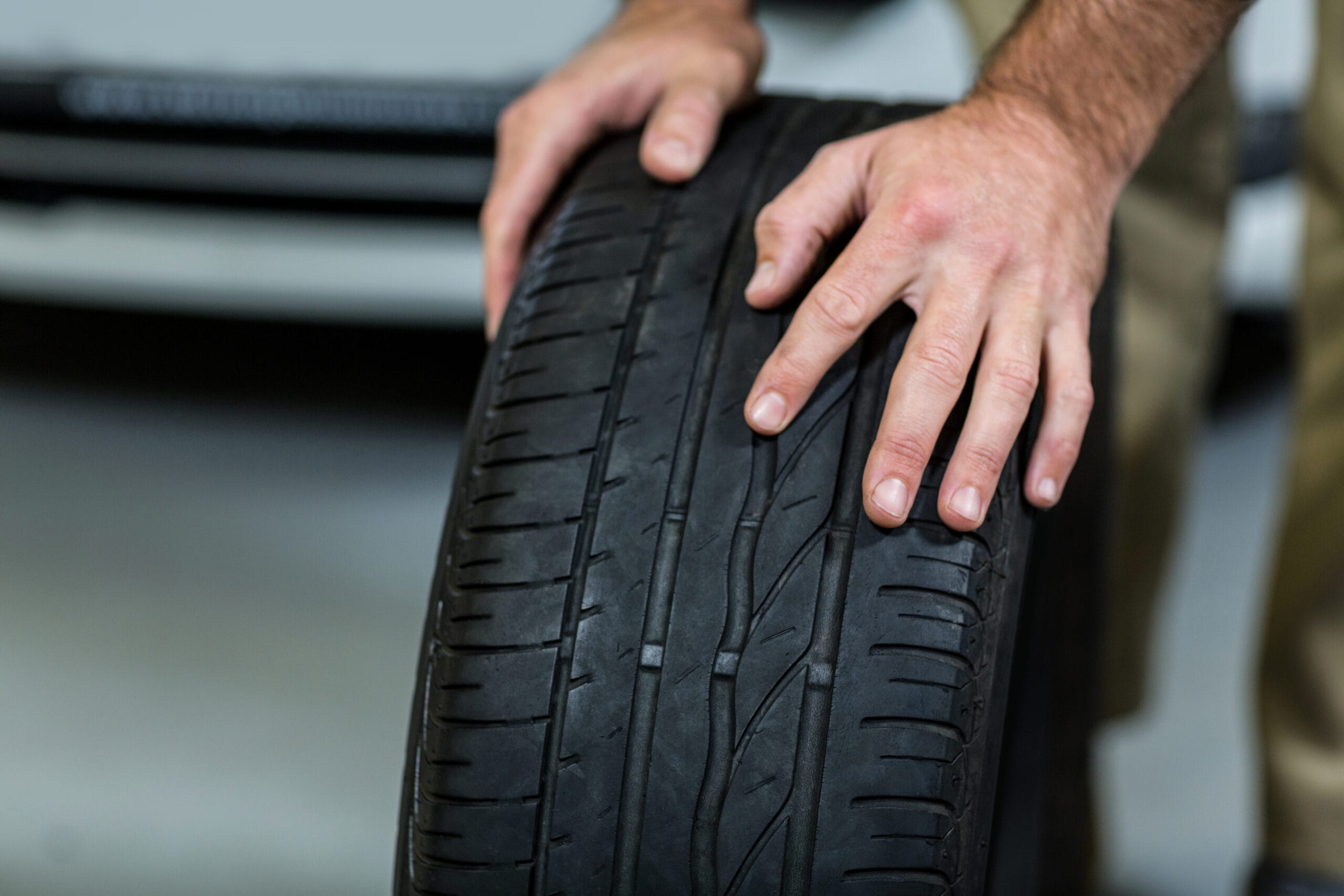
Hands of mechanic touching tyres in repair garage
Cold Weather and Tyre Grip
Cold temperatures are common across the UK, particularly during autumn and winter. When the temperature drops below around 7°C, the rubber in standard tyres begins to harden. As the rubber becomes less flexible, tyres struggle to maintain proper contact with the road surface. This leads to reduced grip, longer braking distances, and a higher risk of skidding, especially on wet or icy roads.
In cities like Glasgow, cold mornings and overnight frost are frequent. Even if snow is rare, frost and damp roads can be just as dangerous. Tyres that are already worn will perform even worse in these conditions. Checking tread depth and tyre pressure regularly during cold spells is essential.
Rain, Wet Roads, and Aquaplaning
Rain is one of the biggest challenges for UK drivers. Heavy rainfall is common throughout the year, and cities such as Glasgow experience particularly wet conditions. Tyre tread is designed to channel water away from the contact patch, allowing the rubber to grip the road. When tread depth is low, tyres cannot clear water effectively.
This can lead to aquaplaning, where the tyre rides on a thin layer of water instead of gripping the road. Steering and braking control are significantly reduced, increasing the risk of accidents. Worn tyres, excessive speed, and standing water all make aquaplaning more likely.
Drivers in London face additional challenges due to busy roads, surface water buildup, and frequent braking. Good-quality tyres with strong wet-grip performance are essential for maintaining control in heavy rain.
Hot Weather and Tyre Wear
Although the UK does not experience extreme heat for long periods, summer temperatures can still affect tyre performance. When temperatures rise, the air inside your tyres expands, increasing tyre pressure. Over-inflated tyres have a smaller contact area with the road, which reduces grip and causes faster wear in the centre of the tread.
Heat also accelerates rubber ageing. Prolonged exposure to warm roads, combined with frequent braking in urban areas like London, can cause tyres to harden, crack, and wear out sooner than expected. Regular pressure checks during warmer months help prevent uneven wear and extend tyre life.
Temperature Changes and Tyre Pressure
UK weather is known for rapid temperature changes, sometimes within the same day. A drop or rise of 10°C can change tyre pressure by 1–2 PSI. Under-inflated tyres increase rolling resistance, fuel consumption, and heat buildup, while over-inflated tyres reduce grip and ride comfort.
Drivers in both Glasgow and London should check tyre pressure at least once a month and always before long journeys. Pressure should be checked when tyres are cold for accurate readings.
Road Conditions and Potholes
Weather also affects road surfaces. Cold temperatures and rain cause a freeze-thaw cycle that creates potholes. Water enters cracks in the road, freezes, expands, and leaves holes when it thaws. Hitting a pothole can damage tyres, wheels, and suspension, even if the tyre does not immediately deflate.
Both Glasgow and London drivers regularly encounter potholes, particularly after winter. After hitting one, it’s wise to check tyre pressure, look for bulges or cuts, and have wheel alignment inspected if the steering feels off.
Choosing the Right Tyres for UK Conditions
Choosing tyres that suit UK weather makes a noticeable difference to safety and longevity. All-season tyres are popular because they offer balanced performance across mild winters and moderate summers. However, in colder regions such as Glasgow, winter tyres can significantly improve grip during colder months.
In London, where driving often involves heavy traffic, wet roads, and frequent braking, tyres with strong wet-grip ratings and durability are especially important. TyreVortex can advise drivers on the most suitable tyres based on location, driving habits, and vehicle type.
Mobile Tyre Fitting with TyreVortex
Weather-related tyre problems often happen at the worst times—early mornings, rainy evenings, or during busy workdays. TyreVortex offers mobile tyre fitting services in both Glasgow and London, bringing professional tyre replacement and repair directly to your home, workplace, or roadside location.
Mobile tyre fitting eliminates the need to drive on unsafe tyres or wait in a garage. TyreVortex technicians arrive fully equipped to fit, balance, and replace tyres on the spot, helping drivers stay safe regardless of weather conditions.
Conclusion
UK weather has a powerful impact on tyre grip, performance, and lifespan. Cold temperatures harden rubber, rain reduces traction, heat accelerates wear, and constant temperature changes affect tyre pressure. Add potholes and rough road surfaces into the mix, and tyres face year-round challenges.
By understanding how weather affects tyres, choosing the right type, and maintaining them properly, drivers can improve safety and extend tyre life. With TyreVortex’s mobile tyre fitting services in Glasgow and London, staying road-ready becomes easier, faster, and far more convenient—no matter what the British weather brings.